Psychoactive drug
Psychoactive drugs, also known as psychotropic drugs, are substances that can alter the consciousness, mood, and perceptions of those who take them. They are used in the management of mental and emotional disorders, to enhance particular mental activities, in religious or spiritual rituals, or for recreational purposes. These substances interact with the central nervous system, particularly the brain where they can change brain function, resulting in temporary changes in perception, mood, consciousness and behavior[1].
Classes of Psychoactive Drugs[edit]
Psychoactive drugs can be classified into several categories based on their pharmacological effects:
- Stimulants: These substances increase the activity of the central nervous system. Examples include caffeine, nicotine, amphetamines, and cocaine.
- Depressants: They decrease the central nervous system activity. Examples are alcohol, benzodiazepines, and barbiturates.
- Opioids: These substances produce a sense of euphoria and are used for pain relief. Examples include morphine, codeine, and heroin.
- Hallucinogens: Hallucinogens alter perceptions, thoughts, and feelings. They include LSD, psilocybin, and mescaline.
- Cannabinoids: They alter perception and mood, examples include THC (found in marijuana) and CBD.
Risks and Regulation[edit]
Psychoactive drugs can lead to psychological and physical addiction or dependence, and their use can have serious health consequences, including death. In many parts of the world, their production, sale, and use are regulated or banned by law[2].
Summary[edit]
A broad term for any drug that acts on the brain and noticeably alters one’s mental state such as by elevating mood or alertness, or reducing inhibitions. Psychoactive pharmaceuticals can help control the symptoms of some neurological and psychiatric disorders. Many “recreational drugs” are also psychoactive drugs.
See Also[edit]

This WikiMD article can only be edited by registered and verified editors. You can log in or register.
| Major chemical drug groups | ||||||||||
|---|---|---|---|---|---|---|---|---|---|---|
|
| Stimulants | ||||||||||
|---|---|---|---|---|---|---|---|---|---|---|
|
| Unnecessary health care | ||||||||
|---|---|---|---|---|---|---|---|---|
|
-
Psychoactive_drug
-
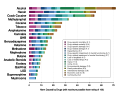 Psychoactive_drug
 -
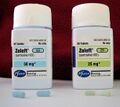 Psychoactive_drug
 -
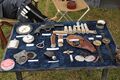 Psychoactive_drug
 -
Psychoactive_drug
-
 Psychoactive_drug
 -
 Psychoactive_drug
 -
 Psychoactive_drug
 -
 Psychoactive_drug
 -
 Psychoactive_drug
 -
 Psychoactive_drug
 -
 Psychoactive_drug


Medical Disclaimer: WikiMD is for informational purposes only and is not a substitute for professional medical advice. Content may be inaccurate or outdated and should not be used for diagnosis or treatment. Always consult your healthcare provider for medical decisions. Verify information with trusted sources such as CDC.gov and NIH.gov. By using this site, you agree that WikiMD is not liable for any outcomes related to its content. See full disclaimer.
Credits:Most images are courtesy of Wikimedia commons, and templates, categories Wikipedia, licensed under CC BY SA or similar.
Translate page: - East Asian
中文,
日本,
한국어,
South Asian
हिन्दी,
தமிழ்,
తెలుగు,
Urdu,
ಕನ್ನಡ,
Southeast Asian
Indonesian,
Vietnamese,
Thai,
မြန်မာဘာသာ,
বাংলা
European
español,
Deutsch,
français,
Greek,
português do Brasil,
polski,
română,
русский,
Nederlands,
norsk,
svenska,
suomi,
Italian
Middle Eastern & African
عربى,
Turkish,
Persian,
Hebrew,
Afrikaans,
isiZulu,
Kiswahili,
Other
Bulgarian,
Hungarian,
Czech,
Swedish,
മലയാളം,
मराठी,
ਪੰਜਾਬੀ,
ગુજરાતી,
Portuguese,
Ukrainian


,_OWID.svg)