4-HO-DiPT
4-HO-DiPT[edit]

4-HO-DiPT (4-hydroxy-N,N-diisopropyltryptamine) is a synthetic psychedelic compound belonging to the tryptamine class. It is known for its psychoactive effects and is structurally related to the naturally occurring compound psilocin.
Chemical Structure[edit]

4-HO-DiPT is a tryptamine derivative with a hydroxyl group at the 4-position of the indole ring and two isopropyl groups attached to the nitrogen atom. Its chemical formula is C14H20N2O.
Pharmacology[edit]
4-HO-DiPT acts primarily as a serotonin receptor agonist, particularly at the 5-HT2A receptor, which is believed to be responsible for its psychedelic effects. The compound is known for its rapid onset and relatively short duration of action compared to other psychedelics.
Effects[edit]
The effects of 4-HO-DiPT are similar to those of other tryptamines, such as psilocybin and DMT. Users report altered perception of time, visual and auditory hallucinations, and changes in mood and thought patterns. The intensity and duration of effects can vary based on dosage and individual sensitivity.
Synthesis[edit]
4-HO-DiPT can be synthesized from indole derivatives through a series of chemical reactions involving the introduction of the isopropyl groups and the hydroxylation of the indole ring. The synthesis requires careful control of reaction conditions to ensure the desired product is obtained.
Legal Status[edit]
The legal status of 4-HO-DiPT varies by country. In some jurisdictions, it is classified as a controlled substance, while in others it may be unscheduled. Users should be aware of the legal implications of possessing or using this compound in their region.
Related Compounds[edit]
Related Pages[edit]
Gallery[edit]
-
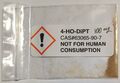 4-Hydroxy-N,N-diisopropyltryptamine
 -
 FT-104 structure


Advertise on WikiMD — 81,000+ full articles, ~900,000 total pages, ~250 million page views. Global reach, limited time promotional rates from $1/page/day. Learn more · View stats


Translate page: - East Asian
中文,
日本,
한국어,
South Asian
हिन्दी,
தமிழ்,
తెలుగు,
Urdu,
ಕನ್ನಡ,
Southeast Asian
Indonesian,
Vietnamese,
Thai,
မြန်မာဘာသာ,
বাংলা
European
español,
Deutsch,
français,
Greek,
português do Brasil,
polski,
română,
русский,
Nederlands,
norsk,
svenska,
suomi,
Italian
Middle Eastern & African
عربى,
Turkish,
Persian,
Hebrew,
Afrikaans,
isiZulu,
Kiswahili,
Other
Bulgarian,
Hungarian,
Czech,
Swedish,
മലയാളം,
मराठी,
ਪੰਜਾਬੀ,
ગુજરાતી,
Portuguese,
Ukrainian
About WikiMD • Contact • Disclaimer • Privacy • Copyright • Site statistics
Some content and images may originate from Wikimedia Commons or Wikipedia and remain subject to their stated licenses. Unless otherwise noted, eligible WikiMD content is available under CC BY-SA 4.0.
WikiMD Wellnesspedia — Free health & wellness information for patients, students, and health professionals.

