Psychedelic music
Psychedelic music is a genre of music that originated in the 1960s as a way to enhance or replicate the experience of psychedelic drugs. It is characterized by its distinctive sound, which often includes new electronic sounds and effects, extended solos, and improvisation.
History[edit]
Psychedelic music originated in the 1960s, during a time of social, political, and cultural change. The genre was heavily influenced by the use of psychedelic drugs such as LSD and marijuana, which were popular among musicians and fans alike. The music was intended to enhance the drug experience, creating a soundtrack for the psychedelic journey.
The first bands to experiment with psychedelic sounds were the 13th Floor Elevators and the Grateful Dead. These bands, along with others such as Pink Floyd and The Beatles, helped to popularize the genre and establish its distinctive sound.
Characteristics[edit]
Psychedelic music is characterized by its distinctive sound, which often includes new electronic sounds and effects, extended solos, and improvisation. The lyrics often involve themes of exploration, freedom, and mind expansion.
The music often features complex song structures, unconventional instruments, and an overall atmosphere of exploration and experimentation. Some bands also incorporate elements of folk music, blues, and jazz into their sound.
Influence[edit]
Psychedelic music has had a significant influence on many other genres of music, including rock, pop, and electronic music. It has also influenced the visual arts, literature, and film.
See also[edit]
References[edit]
 | This article about a music genre is a stub. You can help WikiMD by expanding the page. |
-
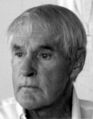 Timothy Leary in Los Angeles, 1989
 -
 The Stone Roses performing in Milan, 2012
 -
 Roland TB-303 synthesizer
 -
 Klaxons performing at Queens' May Ball, 2007


Medical Disclaimer: WikiMD is for informational purposes only and is not a substitute for professional medical advice. Content may be inaccurate or outdated and should not be used for diagnosis or treatment. Always consult your healthcare provider for medical decisions. Verify information with trusted sources such as CDC.gov and NIH.gov. By using this site, you agree that WikiMD is not liable for any outcomes related to its content. See full disclaimer.
Credits:Most images are courtesy of Wikimedia commons, and templates, categories Wikipedia, licensed under CC BY SA or similar.
Translate page: - East Asian
中文,
日本,
한국어,
South Asian
हिन्दी,
தமிழ்,
తెలుగు,
Urdu,
ಕನ್ನಡ,
Southeast Asian
Indonesian,
Vietnamese,
Thai,
မြန်မာဘာသာ,
বাংলা
European
español,
Deutsch,
français,
Greek,
português do Brasil,
polski,
română,
русский,
Nederlands,
norsk,
svenska,
suomi,
Italian
Middle Eastern & African
عربى,
Turkish,
Persian,
Hebrew,
Afrikaans,
isiZulu,
Kiswahili,
Other
Bulgarian,
Hungarian,
Czech,
Swedish,
മലയാളം,
मराठी,
ਪੰਜਾਬੀ,
ગુજરાતી,
Portuguese,
Ukrainian

