2C-T-8
2C-T-8
A psychedelic phenethylamine of the 2C family
2C-T-8 is a psychedelic phenethylamine of the 2C family. It was first synthesized by Alexander Shulgin and is known for its psychoactive effects.
Chemical structure and properties[edit]
2C-T-8 is chemically known as 2,5-dimethoxy-4-(n)-propylthiophenethylamine. It belongs to the class of psychedelic compounds known as phenethylamines, which are characterized by a phenyl ring bound to an amino group through an ethyl chain. The presence of a propylthio group at the 4-position of the phenyl ring distinguishes 2C-T-8 from other compounds in the 2C series.

Pharmacology[edit]
2C-T-8 acts primarily as a serotonin receptor agonist, particularly at the 5-HT2A receptor, which is believed to be responsible for its psychedelic effects. The compound's interaction with these receptors leads to alterations in perception, mood, and cognition.
Effects[edit]
The effects of 2C-T-8 are similar to those of other psychedelics, such as LSD and psilocybin. Users report visual and auditory hallucinations, altered sense of time, and changes in thought patterns. The intensity and duration of these effects can vary depending on the dose and individual sensitivity.
Synthesis[edit]
2C-T-8 was first synthesized by Alexander Shulgin, a renowned chemist known for his work with psychedelic compounds. The synthesis involves the reaction of 2,5-dimethoxybenzaldehyde with propylthiol, followed by reductive amination with nitroethane and subsequent reduction to yield the final product.
Legal status[edit]
The legal status of 2C-T-8 varies by country. In some jurisdictions, it is classified as a controlled substance, making its manufacture, distribution, and possession illegal. In others, it may be unregulated or fall under analogue laws.
Related compounds[edit]
2C-T-8 is part of the 2C family of psychedelics, which includes other compounds such as 2C-B, 2C-I, and 2C-T-7. These compounds share a common phenethylamine backbone but differ in their substituents, leading to variations in their pharmacological profiles and effects.
Related pages[edit]
Gallery[edit]
-
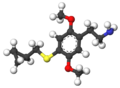 3D stick model of 2C-T-8

2C-T-8[edit]
Advertise on WikiMD — 81,000+ full articles, ~900,000 total pages, ~250 million page views. Global reach, limited time promotional rates from $1/page/day. Learn more · View stats

Medical Disclaimer: WikiMD is for informational purposes only and is not a substitute for professional medical advice. Content may be inaccurate or outdated and should not be used for diagnosis or treatment. Always consult your healthcare provider for medical decisions. Verify information with trusted sources such as CDC.gov and NIH.gov. By using this site, you agree that WikiMD is not liable for any outcomes related to its content. See full disclaimer.
Credits:Most images are courtesy of Wikimedia commons, and templates, categories Wikipedia, licensed under CC BY SA or similar.
Translate page: - East Asian
中文,
日本,
한국어,
South Asian
हिन्दी,
தமிழ்,
తెలుగు,
Urdu,
ಕನ್ನಡ,
Southeast Asian
Indonesian,
Vietnamese,
Thai,
မြန်မာဘာသာ,
বাংলা
European
español,
Deutsch,
français,
Greek,
português do Brasil,
polski,
română,
русский,
Nederlands,
norsk,
svenska,
suomi,
Italian
Middle Eastern & African
عربى,
Turkish,
Persian,
Hebrew,
Afrikaans,
isiZulu,
Kiswahili,
Other
Bulgarian,
Hungarian,
Czech,
Swedish,
മലയാളം,
मराठी,
ਪੰਜਾਬੀ,
ગુજરાતી,
Portuguese,
Ukrainian

