Convention on Psychotropic Substances
Convention on Psychotropic Substances is a United Nations treaty designed to control psychoactive drugs such as amphetamine, barbiturate, benzodiazepine, and hallucinogen among others. The Convention was opened for signature on 21 February 1971 in Vienna and came into force on 16 August 1976.
Background[edit]
The Convention was established as a response to the increasing incidence of drug abuse worldwide in the 1960s. The Single Convention on Narcotic Drugs of 1961 did not ban the many newly discovered psychotropics, hence the need for the Convention on Psychotropic Substances. The Convention introduced controls over a number of synthetic drugs according to their abuse potential on the one hand and their therapeutic value on the other.
Provisions[edit]
The Convention categorizes the controlled substances into four schedules. Schedule I substances are subject to the highest level of control, while Schedule IV substances are subject to the lowest level of control. The substances are classified based on their potential for abuse and their therapeutic value.
Implementation[edit]
The Convention requires parties to take measures to prevent the abuse of psychotropic substances and to ensure that these substances are used for legitimate purposes. This includes legislative and administrative measures, as well as social, educational, and medical measures.
Criticism[edit]
The Convention has been criticized for its focus on criminalization and punishment rather than health and human rights. Critics argue that the Convention's approach to drug control is outdated and ineffective.
See also[edit]
References[edit]
 | This law-related article is a stub. You can help WikiMD by expanding the page. |
 | This medical article is a stub. You can help WikiMD by expanding the page. |
Convention on Psychotropic Substances[edit]
-
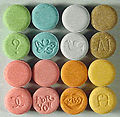 Ecstasy monogram
 -
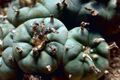 Peyote Cactus


Advertise on WikiMD — 81,000+ full articles, ~900,000 total pages, ~250 million page views. Global reach, limited time promotional rates from $1/page/day. Learn more · View stats


Translate page: - East Asian
中文,
日本,
한국어,
South Asian
हिन्दी,
தமிழ்,
తెలుగు,
Urdu,
ಕನ್ನಡ,
Southeast Asian
Indonesian,
Vietnamese,
Thai,
မြန်မာဘာသာ,
বাংলা
European
español,
Deutsch,
français,
Greek,
português do Brasil,
polski,
română,
русский,
Nederlands,
norsk,
svenska,
suomi,
Italian
Middle Eastern & African
عربى,
Turkish,
Persian,
Hebrew,
Afrikaans,
isiZulu,
Kiswahili,
Other
Bulgarian,
Hungarian,
Czech,
Swedish,
മലയാളം,
मराठी,
ਪੰਜਾਬੀ,
ગુજરાતી,
Portuguese,
Ukrainian
About WikiMD • Contact • Disclaimer • Privacy • Copyright • Site statistics
Some content and images may originate from Wikimedia Commons or Wikipedia and remain subject to their stated licenses. Unless otherwise noted, eligible WikiMD content is available under CC BY-SA 4.0.
WikiMD Wellnesspedia — Free health & wellness information for patients, students, and health professionals.

