Food
Food is what people and animals eat to survive. Food usually comes from animals and plants. It is eaten by living things to provide energy and nutrition. Food contains the nutrition that people and animals need to be healthy. The consumption of food is enjoyable to humans. It contains protein, fat, carbohydrates, vitamins, water and minerals. Liquids used for energy and nutrition are often called "drinks". If someone cannot afford food they go hungry.


Food for humans is mostly made through farming or gardening. It includes animal and vegetable sources. Some people refuse to eat food from animal origin, like meat, eggs, and products with milk in them. Not eating meat is called vegetarianism. Not eating or using any animal products is called veganism.
- Fruit
- Vegetables
- Grains
- Seeds
- Legumes (Beans, peas, lentils, etc.)
- Herbs
- Spices
- Meat
- Seafood
- Eggs
- Dairy products
Food produced by farmers or gardeners can be changed by industrial processes (the food industry). Processed food usually contains several natural ingredients and food additives (such as preservatives, antioxidants, emulsifiers, flavor enhancers). For example, bread is processed food.
At home, food is prepared in the kitchen, by the cook. The cook sometimes uses a cookbook. Examples of cooking utensils are pressure cookers, pots, and frying pans.
Food can also be prepared and served in restaurants or refectory (in particular for kids in school).
The utensils used may be a plate, knife, fork, chopsticks, spoon, bowl, or spork.
Many people do not grow their own food. They have to buy food that was grown by someone else. People buy most of their food in shops or markets. But some people still grow most or all of their own food.
People may buy food and take it home to cook it. They may buy food that is ready to eat from a street vendor or a restaurant.
Production of Food[edit]
Originally, people got food as hunter-gatherers. The agricultural revolution changed that. Farmers grew crops including those invented and improved by selective breeding, eventually improved further as genetically modified food. These improvements shortened life-cycle of food, decreased time of production and/or increased production of food.
[edit]
Food shortage is still a big problem in the world today. Many people do not have enough money to buy the food that they need. Bad weather or other problems sometimes destroy the growing food in one part of the world. When people do not have enough food, we say that they are hungry. If they do not eat enough food for a long time, they will become sick and die from starvation. In areas where many people do not have enough food, we say that there is famine there.
Food and water can make people sick if it is contaminated by microorganisms, bad metals, or chemicals.
If people do not eat the right foods, they can become sick.
- If people do not eat enough protein, they get the disease called kwashiorkor.
- If they do not eat enough vitamin B1 (thiamine), they get the disease called beriberi.
- If they do not eat enough vitamin C, they get the disease called scurvy.
- If children do not eat enough vitamin D, they get the disease called rickets.
If people eat too much food, they can become overweight or obese. This is also bad for people's health. On the other hand, eating too less food could cause malnutrition disease. Therefore, people have to learn to balance the amount and nutrition of food to be suitable.
Food in religions[edit]
Many cultures or religions have food taboos. That means they have rules what people should not eat, or how the food has to be prepared. Examples of religious food rules are the Kashrut of Judaism and the Halal of Islam, that say that pig meat cannot be eaten. In Hinduism, eating beef is not allowed. Some Christians are vegetarian (someone who does not eat meat) because of their religious beliefs. For example, Seventh-day Adventist Church recommends vegetarianism.
In addition, sometime beliefs do not relate to the religion but belong to the culture. For example, some people pay respect to Guān Yīn mothergod and those followers will not consume "beef" as they believe that her father has a shape of the cow.

- Portal:Food | Glossary of healthy eating | UK Foods | US Foods | Dietary Supplements | Nutrition values of foods
- Encyclopedia of nutrition | Calorie Finder | Nutrition Database | Glycemic Index of Foods | Protein rich foods list
- Lists of food & drink articles
See also[edit]
- List of foods
- Foods A-Z
- Dictionary of foods
- Glossary of foods
- Glossary of food safety
- Dictionary of food terms
- Food and culture
-
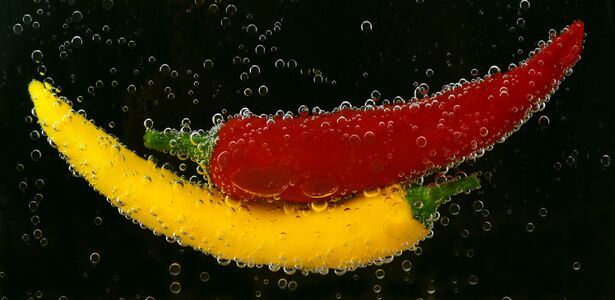 Peppers in water
 -
-
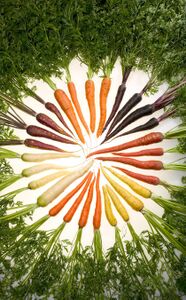 Carrots of many colours
 -
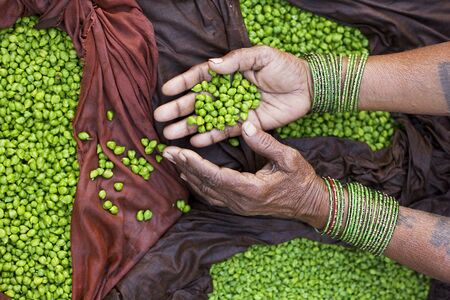 Varanasi green peas
 -
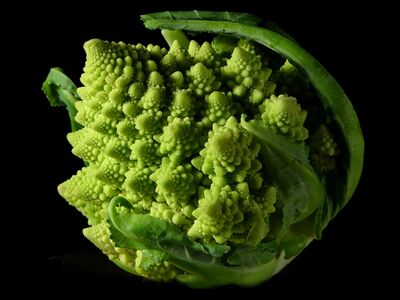 Fractal form of a Romanesco broccoli
 -
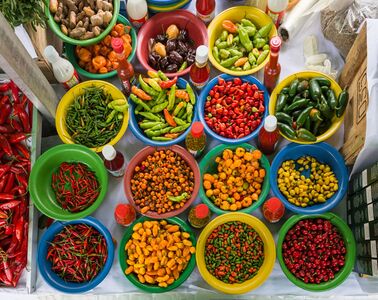 Capsicum baccatum in Saúde flea market, São Paulo, Brazil
 -
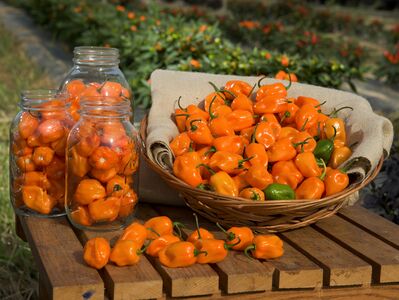 TigerPaw-NR, a type of habanero pepper
 -
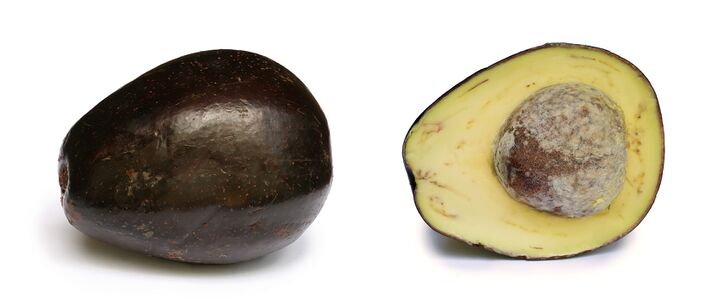 Avocado with cross section


| Meals | ||||||||||
|---|---|---|---|---|---|---|---|---|---|---|
|
| Food science | ||||||||
|---|---|---|---|---|---|---|---|---|
|
| Lists of prepared foods | ||||||||||||||||||||||||||||||||||||||||||
|---|---|---|---|---|---|---|---|---|---|---|---|---|---|---|---|---|---|---|---|---|---|---|---|---|---|---|---|---|---|---|---|---|---|---|---|---|---|---|---|---|---|---|
|
| Natural resources | ||||||||
|---|---|---|---|---|---|---|---|---|
* Category
|
Sponsored Health Resource

W8MD Weight Loss, Sleep & MedSpa
Looking for physician-supervised weight loss, semaglutide, tirzepatide, or GLP-1 receptor agonist options? W8MD helps eligible patients in New York City, Brooklyn, New Jersey, Connecticut, Pennsylvania, Delaware, and greater Philadelphia with medical weight loss, sleep medicine, and long-term maintenance support.
GLP-1 specials: Affordable GLP-1 injections NYC and Philadelphia starting from $29.99/week and up for semaglutide with insurance accepted for qualifying visits, and $45/week and up for tirzepatide with insurance accepted for qualifying visits. Self-pay options start from $59.99/week and up for semaglutide and $69.99/week and up for tirzepatide.
Medical weight loss NYC | Affordable GLP-1 injections NYC | Budget GLP-1 weight loss shots Philadelphia | New Jersey medical weight loss | NYC medical weight loss | Philadelphia medical weight loss | Sleep clinic NYC | W8MD's Philadelphia GLP-1 doctor | Weight loss prescriptions NYC
Book a W8MD appointment · View GLP-1 specials
Paid promotional message. Eligibility, pricing, insurance coverage, medication availability, and results vary. Medical evaluation required.

Medical Disclaimer: WikiMD is for informational purposes only and is not a substitute for professional medical advice. Content may be inaccurate or outdated and should not be used for diagnosis or treatment. Always consult your healthcare provider for medical decisions. Verify information with trusted sources such as CDC.gov and NIH.gov. By using this site, you agree that WikiMD is not liable for any outcomes related to its content. See full disclaimer.
Credits:Most images are courtesy of Wikimedia commons, and templates, categories Wikipedia, licensed under CC BY SA or similar.
Translate page: - East Asian
中文,
日本,
한국어,
South Asian
हिन्दी,
தமிழ்,
తెలుగు,
Urdu,
ಕನ್ನಡ,
Southeast Asian
Indonesian,
Vietnamese,
Thai,
မြန်မာဘာသာ,
বাংলা
European
español,
Deutsch,
français,
Greek,
português do Brasil,
polski,
română,
русский,
Nederlands,
norsk,
svenska,
suomi,
Italian
Middle Eastern & African
عربى,
Turkish,
Persian,
Hebrew,
Afrikaans,
isiZulu,
Kiswahili,
Other
Bulgarian,
Hungarian,
Czech,
Swedish,
മലയാളം,
मराठी,
ਪੰਜਾਬੀ,
ગુજરાતી,
Portuguese,
Ukrainian


