Cuisine of São Tomé and Príncipe
The Cuisine of São Tomé and Príncipe is a unique blend of African, Portuguese, and local traditions. The islands of São Tomé and Príncipe, located in the Gulf of Guinea off the western equatorial coast of Central Africa, have a rich culinary history that reflects their diverse cultural heritage.
History[edit]
The culinary traditions of São Tomé and Príncipe have been shaped by the islands' history. Originally uninhabited, the islands were discovered and colonized by the Portuguese in the 15th century. The Portuguese brought with them their own culinary traditions, which were then combined with the local ingredients and cooking methods.
Ingredients[edit]
The cuisine of São Tomé and Príncipe is based on fresh, locally sourced ingredients. The islands' tropical climate and fertile soil allow for the cultivation of a wide variety of fruits and vegetables, including bananas, papayas, mangoes, and avocados. Seafood, particularly fish and shellfish, is also a staple of the diet. Other common ingredients include cassava, sweet potatoes, and maize.
Dishes[edit]
One of the most popular dishes in São Tomé and Príncipe is calulu, a stew made with fish, palm oil, vegetables, and spices. Another traditional dish is feijoada, a hearty bean stew with meat, which is a legacy of Portuguese influence. Arroz doce, a sweet rice pudding, is a common dessert.
Beverages[edit]
Palm wine, locally known as "sumo de palma", is a traditional alcoholic beverage in São Tomé and Príncipe. The islands are also known for their coffee and cocoa, which are major exports.
See also[edit]


-
Cuisine of São Tomé and Príncipe
-
Cuisine of São Tomé and Príncipe
-
Cuisine of São Tomé and Príncipe
-
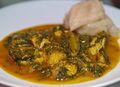 Calulu
 -
Jackfruit Arils & Seeds
-
Sao Tome Fish
-
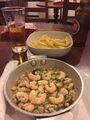 Cuisine of São Tomé and Príncipe
 -
Safous à Neves
-
Safous et bananes grillés à Neves
-
Coconut Drink
-
Cooked Corn On The Cob
-
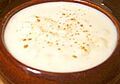 Canjica baiana

.jpg)


Medical Disclaimer: WikiMD is for informational purposes only and is not a substitute for professional medical advice. Content may be inaccurate or outdated and should not be used for diagnosis or treatment. Always consult your healthcare provider for medical decisions. Verify information with trusted sources such as CDC.gov and NIH.gov. By using this site, you agree that WikiMD is not liable for any outcomes related to its content. See full disclaimer.
Credits:Most images are courtesy of Wikimedia commons, and templates, categories Wikipedia, licensed under CC BY SA or similar.
Translate page: - East Asian
中文,
日本,
한국어,
South Asian
हिन्दी,
தமிழ்,
తెలుగు,
Urdu,
ಕನ್ನಡ,
Southeast Asian
Indonesian,
Vietnamese,
Thai,
မြန်မာဘာသာ,
বাংলা
European
español,
Deutsch,
français,
Greek,
português do Brasil,
polski,
română,
русский,
Nederlands,
norsk,
svenska,
suomi,
Italian
Middle Eastern & African
عربى,
Turkish,
Persian,
Hebrew,
Afrikaans,
isiZulu,
Kiswahili,
Other
Bulgarian,
Hungarian,
Czech,
Swedish,
മലയാളം,
मराठी,
ਪੰਜਾਬੀ,
ગુજરાતી,
Portuguese,
Ukrainian


.jpg)
.jpg)

