Sabahan cuisine
Sabahan cuisine is the traditional cuisine of the Sabah region in Malaysia. It is characterized by its use of fresh, locally sourced ingredients and a variety of unique cooking methods. Sabahan cuisine is influenced by the diverse cultures of the indigenous people of Sabah, as well as Chinese, Indian, and Malay culinary traditions.
Ingredients[edit]
The primary ingredients in Sabahan cuisine are rice, fish, and a variety of vegetables. Rice is a staple food and is often served with every meal. Fish, both fresh and salted, is a common source of protein. Vegetables, particularly leafy greens, are also a significant part of the diet.
Dishes[edit]
One of the most popular dishes in Sabahan cuisine is hinava, a traditional Kadazan-Dusun dish. It is made from raw fish marinated in lime juice, bird's eye chillies, and local herbs. Another popular dish is tuhau, a type of pickled wild ginger.
Bambangan is a type of wild mango that is often used in Sabahan cooking. It can be eaten fresh or made into a sour and spicy pickle. Pinasakan is a traditional Kadazan-Dusun dish made from braised fish and takob-akob, a type of wild yam.
Cooking methods[edit]
Sabahan cuisine utilizes a variety of cooking methods, including grilling, steaming, and braising. Grilling is often used for fish and meats, while steaming is commonly used for vegetables and rice. Braising is a popular method for cooking fish, particularly in the dish pinasakan.
Cultural significance[edit]
Food plays a significant role in Sabahan culture. Traditional dishes are often prepared for special occasions and festivals, such as the Harvest Festival. Sabahan cuisine is also a key part of the region's tourism industry, with many visitors eager to try the unique and flavorful dishes.
See also[edit]
 | This Malaysia-related article is a stub. You can help WikiMD by expanding the page. |

-
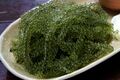 Sabahan cuisine
 -
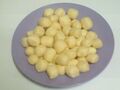 Amplang from Sabah, Malaysia
 -
 Beaufort Mee
 -
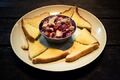 Swordfish hinava
 -
 Ngiu Chap
 -
 Sang Nyuk Mien
 -
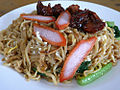 Mi Tuaran
 -
 A mug of Tenom coffee
 -
 Wines in Sabah, Malaysia


Medical Disclaimer: WikiMD is for informational purposes only and is not a substitute for professional medical advice. Content may be inaccurate or outdated and should not be used for diagnosis or treatment. Always consult your healthcare provider for medical decisions. Verify information with trusted sources such as CDC.gov and NIH.gov. By using this site, you agree that WikiMD is not liable for any outcomes related to its content. See full disclaimer.
Credits:Most images are courtesy of Wikimedia commons, and templates, categories Wikipedia, licensed under CC BY SA or similar.
Translate page: - East Asian
中文,
日本,
한국어,
South Asian
हिन्दी,
தமிழ்,
తెలుగు,
Urdu,
ಕನ್ನಡ,
Southeast Asian
Indonesian,
Vietnamese,
Thai,
မြန်မာဘာသာ,
বাংলা
European
español,
Deutsch,
français,
Greek,
português do Brasil,
polski,
română,
русский,
Nederlands,
norsk,
svenska,
suomi,
Italian
Middle Eastern & African
عربى,
Turkish,
Persian,
Hebrew,
Afrikaans,
isiZulu,
Kiswahili,
Other
Bulgarian,
Hungarian,
Czech,
Swedish,
മലയാളം,
मराठी,
ਪੰਜਾਬੀ,
ગુજરાતી,
Portuguese,
Ukrainian

