Cuisine of the Central African Republic
Cuisine of the Central African Republic is a diverse blend of traditional African, French, and Arab influences. The Central African Republic (CAR) is a landlocked country in Central Africa, and its cuisine reflects the agricultural products of the region.
Overview[edit]
The staple foods in the Central African Republic include cassava, plantains, peanuts, maize, sorghum, millet, sesame, and yam. Meat products are scarce and expensive, and are often replaced with dried fish and insects such as cicadas, crickets, grasshoppers, caterpillars, and termites. These insects are often collected from the wild, especially during the rainy season, and are a significant source of protein.
Dishes[edit]
One of the most popular dishes in the Central African Republic is a stew made from spinach and okra, often served with a side of rice or fufu. Another common dish is bouillie, a porridge made from peanuts and millet or sorghum. Palm butter soup, a rich and creamy dish made from the sap of the oil palm, is also a traditional favorite.
Drinks[edit]
Palm wine and banana wine are the traditional alcoholic beverages of the Central African Republic. Non-alcoholic beverages include bissap, a drink made from hibiscus flowers, and gingembre, a ginger-flavored beverage.
Influence[edit]
The cuisine of the Central African Republic has been influenced by the cuisines of neighboring countries, particularly Chad, Sudan, and the Democratic Republic of the Congo. French and Arab influences are also evident, particularly in the use of spices such as coriander, cinnamon, nutmeg, and cloves.
See also[edit]


Cuisine of the Central African Republic[edit]
-
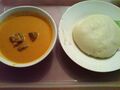 Fufu
Fufu -
 Central African Empire in its region
 -
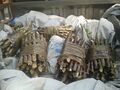 Boutures de manioc
 -
 Récolte du manioc
 -
 Manioc transformation
 -
 Manihot esculenta
 -
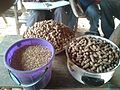 Semences arachide et riz
 -
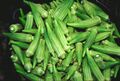 Bucket of raw okra pods


Sponsored Health Resource

W8MD Weight Loss, Sleep & MedSpa
Looking for physician-supervised weight loss, semaglutide, tirzepatide, or GLP-1 receptor agonist options? W8MD helps eligible patients in New York City, Brooklyn, New Jersey, Connecticut, Pennsylvania, Delaware, and greater Philadelphia with medical weight loss, sleep medicine, and long-term maintenance support.
GLP-1 specials: Affordable GLP-1 injections NYC and Philadelphia starting from $29.99/week and up for semaglutide with insurance accepted for qualifying visits, and $45/week and up for tirzepatide with insurance accepted for qualifying visits. Self-pay options start from $59.99/week and up for semaglutide and $69.99/week and up for tirzepatide.
Medical weight loss NYC | Affordable GLP-1 injections NYC | Budget GLP-1 weight loss shots Philadelphia | New Jersey medical weight loss | NYC medical weight loss | Philadelphia medical weight loss | Sleep clinic NYC | W8MD's Philadelphia GLP-1 doctor | Weight loss prescriptions NYC
Book a W8MD appointment · View GLP-1 specials
Paid promotional message. Eligibility, pricing, insurance coverage, medication availability, and results vary. Medical evaluation required.

Medical Disclaimer: WikiMD is for informational purposes only and is not a substitute for professional medical advice. Content may be inaccurate or outdated and should not be used for diagnosis or treatment. Always consult your healthcare provider for medical decisions. Verify information with trusted sources such as CDC.gov and NIH.gov. By using this site, you agree that WikiMD is not liable for any outcomes related to its content. See full disclaimer.
Credits:Most images are courtesy of Wikimedia commons, and templates, categories Wikipedia, licensed under CC BY SA or similar.
Translate page: - East Asian
中文,
日本,
한국어,
South Asian
हिन्दी,
தமிழ்,
తెలుగు,
Urdu,
ಕನ್ನಡ,
Southeast Asian
Indonesian,
Vietnamese,
Thai,
မြန်မာဘာသာ,
বাংলা
European
español,
Deutsch,
français,
Greek,
português do Brasil,
polski,
română,
русский,
Nederlands,
norsk,
svenska,
suomi,
Italian
Middle Eastern & African
عربى,
Turkish,
Persian,
Hebrew,
Afrikaans,
isiZulu,
Kiswahili,
Other
Bulgarian,
Hungarian,
Czech,
Swedish,
മലയാളം,
मराठी,
ਪੰਜਾਬੀ,
ગુજરાતી,
Portuguese,
Ukrainian

