Portal:Food
Portal:Food
Welcome to the Food Portal, a comprehensive resource for information related to food, nutrition, and the role of food in health and disease. This portal serves as a gateway to a wide array of topics concerning the science of food, dietary practices, and the impact of food on human health.
Introduction to Food[edit]
Food is any substance consumed to provide nutritional support for an organism. It is usually of plant, animal, or fungal origin, and contains essential nutrients, such as carbohydrates, fats, proteins, vitamins, or minerals. The substance is ingested by an organism and assimilated by the organism's cells to provide energy, maintain life, or stimulate growth.
Nutritional Components of Food[edit]
Carbohydrates[edit]
Carbohydrates are one of the main types of nutrients and are the most important source of energy for your body. They are found in a variety of foods, including fruits, vegetables, grains, and dairy products.
Proteins[edit]
Proteins are large, complex molecules that play many critical roles in the body. They are necessary for the structure, function, and regulation of the body's tissues and organs. Proteins are made up of hundreds or thousands of smaller units called amino acids, which are attached in long chains.
Fats[edit]
Fats are a type of nutrient that you get from your diet. They are essential for the absorption of vitamins A, D, E, and K, and are a major source of energy. Fats are found in both plant and animal foods.
Vitamins and Minerals[edit]
Vitamins and minerals are essential nutrients because they perform hundreds of roles in the body. They help shore up bones, heal wounds, and bolster your immune system. They also convert food into energy, and repair cellular damage.
Food and Health[edit]
Diet and Nutrition[edit]
Diet and nutrition are critical components of health and development. Good nutrition is essential for survival, physical growth, mental development, performance, productivity, health, and well-being across the entire life span.
Foodborne Illnesses[edit]
Foodborne illnesses are infections or irritations of the gastrointestinal (GI) tract caused by food or beverages that contain harmful bacteria, parasites, viruses, or chemicals. Common symptoms include vomiting, diarrhea, abdominal pain, fever, and chills.
Allergies and Intolerances[edit]
Food allergies and intolerances are adverse reactions to foods. A food allergy involves the immune system and can be life-threatening, while a food intolerance does not involve the immune system and is generally less serious.
Food Safety[edit]
Food safety refers to handling, preparing, and storing food in a way to best reduce the risk of individuals becoming sick from foodborne illnesses. Food safety is a global concern that covers a variety of different areas of everyday life.
Categories[edit]
This portal aims to provide a comprehensive overview of food-related topics, offering insights into the nutritional, cultural, and health aspects of food. For more detailed information, please explore the linked articles and categories.
-
 Egyptian food Koshary
 -
 Souk Al Milh, Sana, Yemen
 -
 Fruit bowl with melons
 -
 Caribbean dinner plate
 -
 Steam boiling green asparagus
 -
 Municipal Market of São Paulo city
 -
 Raspberries
 -
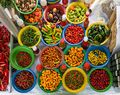 Capsicum baccatum in Saúde flea market, São Paulo, Brazil
 -
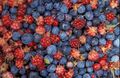 Alaska wild berries
 -
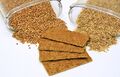 Buckwheat and products from it
 -
 A Meat Stall with the Holy Family Giving Alms - Pieter Aertsen
 -
 Pomegranate

.jpg)


