Turkmen cuisine

Turkmen cuisine is the traditional culinary style of the Turkmen people, who primarily reside in Turkmenistan. It is characterized by its use of local ingredients and traditional cooking methods, reflecting the nomadic heritage and agricultural lifestyle of the Turkmen people.
Ingredients and Dishes[edit]
Turkmen cuisine relies heavily on meat, particularly lamb, beef, and camel meat. Fish, such as sturgeon, is also popular, especially in areas near the Caspian Sea.
.jpg)
Plov[edit]
One of the most famous dishes is plov, a rice dish cooked with meat, onions, and carrots. It is often flavored with spices such as cumin and coriander.
Kebabs[edit]
Kebabs are another staple, with various types of meat grilled over an open flame. Sturgeon kebabs are a specialty in regions close to the Caspian Sea.
Bread[edit]

Bread, known as chorek, is a central part of the diet. It is typically baked in a tamdyr, a type of clay oven, and is often served with meals.
Soups and Stews[edit]
Soups and stews, such as shurpa, are common, made with meat, vegetables, and herbs.
Desserts[edit]
Desserts include sweet pastries and dishes made with dried fruits and nuts.
Beverages[edit]
Traditional beverages include chal, a fermented camel's milk, and ayran, a yogurt-based drink. Tea is also widely consumed, often served with meals.
Cultural Significance[edit]

Food plays a significant role in Turkmen culture, with meals often being a communal affair. Hospitality is a key aspect, and guests are typically offered food and drink as a sign of respect and friendship.
Related Pages[edit]
References[edit]
- "Turkmen Cuisine." Turkmenistan: A Historical Overview. Retrieved from
- "Traditional Foods of Turkmenistan." Central Asian Culinary Traditions. Retrieved from
-
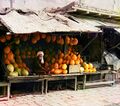 Turkmen cuisine

Advertise on WikiMD — 81,000+ full articles, ~900,000 total pages, ~250 million page views. Global reach, limited time promotional rates from $1/page/day. Learn more · View stats

Translate page: - East Asian
中文,
日本,
한국어,
South Asian
हिन्दी,
தமிழ்,
తెలుగు,
Urdu,
ಕನ್ನಡ,
Southeast Asian
Indonesian,
Vietnamese,
Thai,
မြန်မာဘာသာ,
বাংলা
European
español,
Deutsch,
français,
Greek,
português do Brasil,
polski,
română,
русский,
Nederlands,
norsk,
svenska,
suomi,
Italian
Middle Eastern & African
عربى,
Turkish,
Persian,
Hebrew,
Afrikaans,
isiZulu,
Kiswahili,
Other
Bulgarian,
Hungarian,
Czech,
Swedish,
മലയാളം,
मराठी,
ਪੰਜਾਬੀ,
ગુજરાતી,
Portuguese,
Ukrainian
About WikiMD • Contact • Disclaimer • Privacy • Copyright • Site statistics
Some content and images may originate from Wikimedia Commons or Wikipedia and remain subject to their stated licenses. Unless otherwise noted, eligible WikiMD content is available under CC BY-SA 4.0.
WikiMD Wellnesspedia — Free health & wellness information for patients, students, and health professionals.

