List of British cheeses
British cheeses are a diverse group of cheeses produced in the United Kingdom. The country is known for its long history of cheese making, with some varieties dating back to the Roman Empire. Today, there are over 700 named British cheeses produced in the UK.
History[edit]
The history of British cheese dates back over a thousand years. The Romans are believed to have introduced cheese making to Britain. During the Middle Ages, monasteries became key sites for cheese production. The Industrial Revolution brought about significant changes in cheese production, with the introduction of factory-made cheese.
Types of British Cheeses[edit]
There are many types of British cheeses, each with its own unique characteristics. Some of the most well-known include:
- Cheddar: Originating from the village of Cheddar in Somerset, this is perhaps the most famous British cheese. It is a hard, aged cheese with a sharp, tangy flavor.
- Stilton: Known as the "King of Cheeses", Stilton is a blue cheese with a rich, creamy texture and a distinctive tangy flavor.
- Red Leicester: A hard cheese similar to Cheddar, but with a slightly sweeter flavor. It is known for its distinctive orange color.
- Wensleydale: A cheese with a crumbly texture and a mild, slightly sweet flavor. It is often paired with fruit.
- Double Gloucester: A hard cheese made from the milk of Gloucester cows. It has a rich, buttery flavor and a slightly nutty aroma.
Production[edit]
British cheeses are produced all over the country, with certain regions known for their specific types of cheese. For example, Cheddar cheese is traditionally made in Somerset, while Stilton is produced in the counties of Derbyshire, Leicestershire, and Nottinghamshire.
See Also[edit]
References[edit]
This is a non-exhaustive food and drink related list.

List of British cheeses[edit]
-
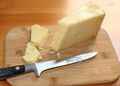 Somerset Cheddar
 -
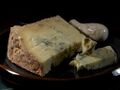 Dorset Blue Vinney
 -
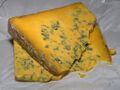 Shropshire Blue
 -
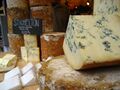 Stichelton
 -
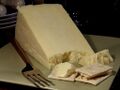 Caerphilly cheese
 -
Swaledale Cheese
-
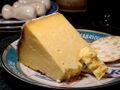 Cheshire Cheese
 -
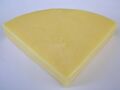 Ayrshire's Dunlop Cheese


Medical Disclaimer: WikiMD is for informational purposes only and is not a substitute for professional medical advice. Content may be inaccurate or outdated and should not be used for diagnosis or treatment. Always consult your healthcare provider for medical decisions. Verify information with trusted sources such as CDC.gov and NIH.gov. By using this site, you agree that WikiMD is not liable for any outcomes related to its content. See full disclaimer.
Credits:Most images are courtesy of Wikimedia commons, and templates, categories Wikipedia, licensed under CC BY SA or similar.
Translate page: - East Asian
中文,
日本,
한국어,
South Asian
हिन्दी,
தமிழ்,
తెలుగు,
Urdu,
ಕನ್ನಡ,
Southeast Asian
Indonesian,
Vietnamese,
Thai,
မြန်မာဘာသာ,
বাংলা
European
español,
Deutsch,
français,
Greek,
português do Brasil,
polski,
română,
русский,
Nederlands,
norsk,
svenska,
suomi,
Italian
Middle Eastern & African
عربى,
Turkish,
Persian,
Hebrew,
Afrikaans,
isiZulu,
Kiswahili,
Other
Bulgarian,
Hungarian,
Czech,
Swedish,
മലയാളം,
मराठी,
ਪੰਜਾਬੀ,
ગુજરાતી,
Portuguese,
Ukrainian


