Assyrian cuisine
Assyrian cuisine refers to the cooking traditions and practices of the Assyrian people, an ethnic group native to the Middle East. The cuisine is rich and varied, drawing influences from the various regions where Assyrians have historically resided, including present-day Iraq, Syria, Iran, and Turkey.
History[edit]
The history of Assyrian cuisine dates back thousands of years, with many traditional dishes having roots in ancient Mesopotamian cuisine. The fertile lands of the Tigris and Euphrates rivers provided an abundance of grains, vegetables, and fruits, which formed the basis of the Assyrian diet.
Ingredients[edit]
Assyrian cuisine is characterized by a wealth of flavors and ingredients. Staple foods include wheat, barley, lentils, chickpeas, nuts, and seeds. Meat, particularly lamb and chicken, is also a key component of many dishes. Assyrian cuisine is known for its use of a variety of spices and herbs, including cumin, coriander, turmeric, and mint.
Dishes[edit]
Popular Assyrian dishes include dolma, a dish made of vegetables or vine leaves stuffed with rice and meat; kubba, a type of dumpling filled with minced meat; and biriyani, a spiced rice dish often served with meat. Desserts in Assyrian cuisine often feature ingredients like honey, dates, and sesame seeds.
Beverages[edit]
Traditional Assyrian beverages include tea, often served with mint or other herbs, and arak, a distilled spirit flavored with anise.
Cultural Significance[edit]
Food plays a significant role in Assyrian culture, with many dishes being tied to religious and cultural celebrations. For example, during the Assyrian New Year, it is traditional to eat certain foods as a symbol of renewal and prosperity.
See Also[edit]
| the Middle East |
|---|
|
|

-
 Assyrian cuisine
 -
 Ash-e-doogh
 -
 Kibbeh
 -
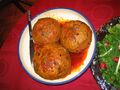 Koofteh Tabrizi
 -
 Okra stew in Turkey
 -
 Serupe
 -
 Armenian dish dolma
 -
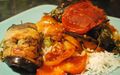 Tepsi Baytinijan
 -
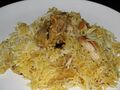 Dum Biryani Plate
 -
 Moroccan Lentil Soup
 -
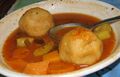 Kubbeh Matfuniyah
 -
 Iraqi Kleicha


Medical Disclaimer: WikiMD is for informational purposes only and is not a substitute for professional medical advice. Content may be inaccurate or outdated and should not be used for diagnosis or treatment. Always consult your healthcare provider for medical decisions. Verify information with trusted sources such as CDC.gov and NIH.gov. By using this site, you agree that WikiMD is not liable for any outcomes related to its content. See full disclaimer.
Credits:Most images are courtesy of Wikimedia commons, and templates, categories Wikipedia, licensed under CC BY SA or similar.
Translate page: - East Asian
中文,
日本,
한국어,
South Asian
हिन्दी,
தமிழ்,
తెలుగు,
Urdu,
ಕನ್ನಡ,
Southeast Asian
Indonesian,
Vietnamese,
Thai,
မြန်မာဘာသာ,
বাংলা
European
español,
Deutsch,
français,
Greek,
português do Brasil,
polski,
română,
русский,
Nederlands,
norsk,
svenska,
suomi,
Italian
Middle Eastern & African
عربى,
Turkish,
Persian,
Hebrew,
Afrikaans,
isiZulu,
Kiswahili,
Other
Bulgarian,
Hungarian,
Czech,
Swedish,
മലയാളം,
मराठी,
ਪੰਜਾਬੀ,
ગુજરાતી,
Portuguese,
Ukrainian

