Panamanian cuisine
Panamanian cuisine refers to the food and culinary traditions common to Panama, a country located in Central America. It is a blend of African, Spanish, and Native American techniques, dishes, and ingredients, reflecting its diverse population.
History[edit]
The history of Panamanian cuisine is traced back to the indigenous peoples of Panama, such as the Kuna and Ngäbe-Buglé. These groups utilized local ingredients like corn, tropical fruits, and seafood in their cooking. With the arrival of Spanish colonizers in the 16th century, new ingredients and cooking methods were introduced, significantly influencing the local cuisine.
Ingredients[edit]
Key ingredients in Panamanian cuisine include corn, rice, wheat flour, plantains, yuca (cassava), beef, chicken, pork and seafood. Fruits such as pineapple, passionfruit, papaya, mango, banana and coconut are also widely used.
Dishes[edit]
Some of the most popular dishes in Panamanian cuisine include:
- Sancocho: A traditional soup made with chicken, yam, maize, nami and flavored with culantro (a herb similar to cilantro).
- Tamales: A traditional Mesoamerican dish made of masa (a starchy dough, usually corn-based), which is steamed or boiled in a leaf wrapper.
- Arroz con pollo: A popular dish in many Latin American countries, it consists of rice cooked with chicken, vegetables, and a blend of spices.
- Ropa vieja: A shredded beef stew, cooked with a variety of vegetables and spices.
Beverages[edit]
Traditional Panamanian beverages include:
- Chicha: A fermented or non-fermented beverage usually derived from maize.
- Seco Herrerano: An alcoholic drink distilled from sugar cane.
Desserts[edit]
Panamanian desserts often feature the abundant local fruits, as well as ingredients like rice and corn. Examples include:
- Flan: A type of caramel custard dessert.
- Tres leches cake: A sponge cake soaked in three kinds of milk: evaporated milk, condensed milk, and heavy cream.
See also[edit]

-
Carimañolas
-
Changa
-
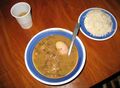 Sancocho de guandú con carne salá
 -
Huevitos de Leche, Bocadillos y manjar Blancos
-
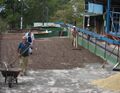 Coffee drying


Medical Disclaimer: WikiMD is for informational purposes only and is not a substitute for professional medical advice. Content may be inaccurate or outdated and should not be used for diagnosis or treatment. Always consult your healthcare provider for medical decisions. Verify information with trusted sources such as CDC.gov and NIH.gov. By using this site, you agree that WikiMD is not liable for any outcomes related to its content. See full disclaimer.
Credits:Most images are courtesy of Wikimedia commons, and templates, categories Wikipedia, licensed under CC BY SA or similar.
Translate page: - East Asian
中文,
日本,
한국어,
South Asian
हिन्दी,
தமிழ்,
తెలుగు,
Urdu,
ಕನ್ನಡ,
Southeast Asian
Indonesian,
Vietnamese,
Thai,
မြန်မာဘာသာ,
বাংলা
European
español,
Deutsch,
français,
Greek,
português do Brasil,
polski,
română,
русский,
Nederlands,
norsk,
svenska,
suomi,
Italian
Middle Eastern & African
عربى,
Turkish,
Persian,
Hebrew,
Afrikaans,
isiZulu,
Kiswahili,
Other
Bulgarian,
Hungarian,
Czech,
Swedish,
മലയാളം,
मराठी,
ਪੰਜਾਬੀ,
ગુજરાતી,
Portuguese,
Ukrainian


