Serbian cuisine
Serbian cuisine is the traditional cuisine of Serbia, sharing characteristics with the rest of the Balkan countries. It is a diverse blend of various influences, including Mediterranean (especially Greek), Hungarian, Turkish, and Austrian cuisines.
History[edit]
The history of Serbian cuisine dates back to the historical events that influenced the country. The Serbian cuisine absorbed culinary influences from the Byzantines, the Ottomans, the defunct state of Yugoslavia, and other neighboring nations.
Ingredients[edit]
Serbian cuisine is largely based on meat, especially pork, as well as vegetables, fruits, and dairy products. The most commonly used ingredients are bell peppers, tomatoes, potatoes, onions, garlic, ground red pepper, and paprika.
Dishes[edit]
Some of the most popular dishes in Serbian cuisine include ćevapi, a grilled dish of minced meat, pljeskavica, a Serbian burger, and sarma, a dish of grape, cabbage, monk's rhubarb or chard leaves rolled around a filling usually based on minced meat.
Desserts[edit]
Serbian desserts are a mix of Turkish delights and European pastries. The most famous ones include baklava, a sweet pastry made of layers of filo filled with chopped nuts and sweetened and held together with syrup or honey, and vanilice, a type of cookie with a layer of jam in between.
Beverages[edit]
Rakija is the national drink of Serbia and is a fruit brandy that can be made from a variety of fruits. Slivovitz, a type of rakija made from plums, is particularly popular.
See also[edit]
This European cuisine related article is a stub. You can help WikiMD by expanding it.

-
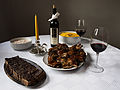 Serbian Christmas meal
 -
 Pita savijača (Rolled pie, Serbian cuisine)
 -
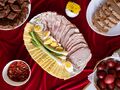 Easter breakfast in Serbia (close-up)
 -
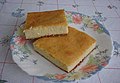 Proja
Proja -
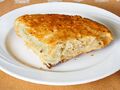 Meat burek (GAK bakery, Belgrade, Serbia)
 -
 Кифле
Кифле -
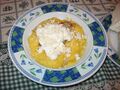 Kulesha & brunza
 -
 Попара (Popara)
 -
 Kajgana (sremska kuhinja)
 -
 Antipasto
 -
 Mixed turshu
 -
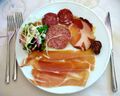 Antipasto all'italiana
 -
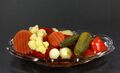 Mixed Pickles

.jpg)
.jpg)

.jpg)


.jpg)
.jpg)
.jpg)


.jpg)

Medical Disclaimer: WikiMD is for informational purposes only and is not a substitute for professional medical advice. Content may be inaccurate or outdated and should not be used for diagnosis or treatment. Always consult your healthcare provider for medical decisions. Verify information with trusted sources such as CDC.gov and NIH.gov. By using this site, you agree that WikiMD is not liable for any outcomes related to its content. See full disclaimer.
Credits:Most images are courtesy of Wikimedia commons, and templates, categories Wikipedia, licensed under CC BY SA or similar.
Translate page: - East Asian
中文,
日本,
한국어,
South Asian
हिन्दी,
தமிழ்,
తెలుగు,
Urdu,
ಕನ್ನಡ,
Southeast Asian
Indonesian,
Vietnamese,
Thai,
မြန်မာဘာသာ,
বাংলা
European
español,
Deutsch,
français,
Greek,
português do Brasil,
polski,
română,
русский,
Nederlands,
norsk,
svenska,
suomi,
Italian
Middle Eastern & African
عربى,
Turkish,
Persian,
Hebrew,
Afrikaans,
isiZulu,
Kiswahili,
Other
Bulgarian,
Hungarian,
Czech,
Swedish,
മലയാളം,
मराठी,
ਪੰਜਾਬੀ,
ગુજરાતી,
Portuguese,
Ukrainian

