Apulian cuisine
-
 Apulian cuisine
 -
 Apulian cuisine
 -
Apulian cuisine
-
 Apulian cuisine
 -
Apulian cuisine
-
Apulian cuisine
-
Apulian cuisine
-
Apulian cuisine
-
Apulian cuisine
-
Apulian cuisine
-
Apulian cuisine
-
Apulian cuisine


_-_2.jpg)
Apulian Cuisine[edit]
Apulian cuisine refers to the traditional culinary practices and dishes originating from the Apulia region in southeastern Italy. Known for its simplicity and reliance on fresh, local ingredients, Apulian cuisine is a reflection of the region's agricultural abundance and coastal geography.
Ingredients[edit]
Apulian cuisine is characterized by the use of high-quality, locally sourced ingredients. Key ingredients include:
- Olive oil: Apulia is one of the largest producers of olive oil in Italy, and it is a staple in Apulian cooking.
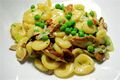
- Durum wheat: Used to make various types of pasta, including the region's famous orecchiette.
- Vegetables: Such as tomatoes, eggplants, zucchini, and chicory.
- Seafood: Due to its extensive coastline, Apulia has a rich tradition of seafood dishes, including octopus, mussels, and sea urchins.
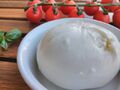
- Cheese: Notable cheeses include burrata, caciocavallo, and ricotta.
Traditional Dishes[edit]
Apulian cuisine features a variety of traditional dishes that highlight the region's ingredients and culinary techniques.
- Orecchiette con cime di rapa: A pasta dish made with orecchiette and turnip tops, often flavored with garlic, anchovies, and chili.
- Focaccia Barese: A type of focaccia bread topped with tomatoes, olives, and sometimes potatoes.
- Tiella alla Barese: A layered dish of rice, potatoes, and mussels, baked with onions, tomatoes, and herbs.
- Panzerotti: Fried turnovers filled with tomato and mozzarella, similar to a small calzone.
- Ciceri e tria: A pasta and chickpea dish, where part of the pasta is fried to add texture.
Wines[edit]
Apulia is also known for its wine production, with several DOC and DOCG wines. Notable wines include:
- Primitivo di Manduria: A robust red wine made from the Primitivo grape.
- Negroamaro: Another red wine, known for its deep color and full-bodied flavor.
- Salice Salentino: A wine made from a blend of Negroamaro and Malvasia Nera grapes.
Culinary Influence[edit]
The cuisine of Apulia has been influenced by various cultures over the centuries, including Greek, Roman, Norman, and Spanish traditions. This has resulted in a diverse culinary heritage that combines elements from different Mediterranean cultures.
Related Pages[edit]
 | This Italy-related article is a stub. You can help WikiMD by expanding the page. |

Medical Disclaimer: WikiMD is for informational purposes only and is not a substitute for professional medical advice. Content may be inaccurate or outdated and should not be used for diagnosis or treatment. Always consult your healthcare provider for medical decisions. Verify information with trusted sources such as CDC.gov and NIH.gov. By using this site, you agree that WikiMD is not liable for any outcomes related to its content. See full disclaimer.
Credits:Most images are courtesy of Wikimedia commons, and templates, categories Wikipedia, licensed under CC BY SA or similar.
Translate page: - East Asian
中文,
日本,
한국어,
South Asian
हिन्दी,
தமிழ்,
తెలుగు,
Urdu,
ಕನ್ನಡ,
Southeast Asian
Indonesian,
Vietnamese,
Thai,
မြန်မာဘာသာ,
বাংলা
European
español,
Deutsch,
français,
Greek,
português do Brasil,
polski,
română,
русский,
Nederlands,
norsk,
svenska,
suomi,
Italian
Middle Eastern & African
عربى,
Turkish,
Persian,
Hebrew,
Afrikaans,
isiZulu,
Kiswahili,
Other
Bulgarian,
Hungarian,
Czech,
Swedish,
മലയാളം,
मराठी,
ਪੰਜਾਬੀ,
ગુજરાતી,
Portuguese,
Ukrainian


