Sundanese cuisine
Sundanese cuisine is a traditional food culture originating from the Sundanese people of West Java, Indonesia. It is one of the most popular cuisines in the country, known for its freshness, simplicity, and reliance on locally sourced ingredients.
Overview[edit]
Sundanese cuisine emphasizes raw or lightly cooked vegetables, making it distinct from other Indonesian culinary traditions. The staple food is rice, often served with a variety of side dishes. Sundanese meals typically include a protein source such as fish or chicken, a variety of vegetables, and a spicy sambal sauce.
Key Ingredients[edit]
Sundanese cuisine uses a variety of fresh vegetables and herbs, including kale, spinach, cabbage, basil, and lemongrass. Protein sources include freshwater fish, chicken, and tofu. The cuisine is also known for its use of tempeh, a fermented soy product that is a staple in many Indonesian diets.
Popular Dishes[edit]
Some popular Sundanese dishes include Nasi Timbel (rice wrapped in banana leaf), Soto Bandung (a clear soup with beef and radish), and Karedok (a raw vegetable salad with peanut sauce). Another well-known dish is Lotek, a warm salad made from boiled vegetables, tofu, and tempeh, served with a spicy peanut sauce.
Eating Habits[edit]
Sundanese people traditionally eat with their hands, a practice known as nasi liwet. Meals are often communal, with food served in shared dishes in the middle of the table.
Influence and Spread[edit]
Sundanese cuisine has influenced and been influenced by other culinary traditions in Indonesia and Southeast Asia. It has also gained popularity internationally, with Sundanese restaurants found in many countries around the world.
 | This Indonesian cuisine-related article is a stub. You can help WikiMD by expanding the page. |

-
 Sundanese cuisine
 -
 Sundanese cuisine
 -
 Sundanese cuisine
 -
 Sundanese cuisine
 -
 Sundanese cuisine
 -
 Sundanese cuisine
 -
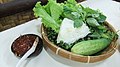 Sundanese cuisine
 -
 Sundanese cuisine
 -
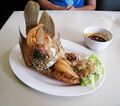 Sundanese cuisine
 -
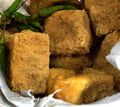 Sundanese cuisine
 -
 Sundanese cuisine


.jpg)


Advertise on WikiMD — 81,000+ full articles, ~900,000 total pages, ~250 million page views. Global reach, limited time promotional rates from $1/page/day. Learn more · View stats

Translate page: - East Asian
中文,
日本,
한국어,
South Asian
हिन्दी,
தமிழ்,
తెలుగు,
Urdu,
ಕನ್ನಡ,
Southeast Asian
Indonesian,
Vietnamese,
Thai,
မြန်မာဘာသာ,
বাংলা
European
español,
Deutsch,
français,
Greek,
português do Brasil,
polski,
română,
русский,
Nederlands,
norsk,
svenska,
suomi,
Italian
Middle Eastern & African
عربى,
Turkish,
Persian,
Hebrew,
Afrikaans,
isiZulu,
Kiswahili,
Other
Bulgarian,
Hungarian,
Czech,
Swedish,
മലയാളം,
मराठी,
ਪੰਜਾਬੀ,
ગુજરાતી,
Portuguese,
Ukrainian
About WikiMD • Contact • Disclaimer • Privacy • Copyright • Site statistics
Some content and images may originate from Wikimedia Commons or Wikipedia and remain subject to their stated licenses. Unless otherwise noted, eligible WikiMD content is available under CC BY-SA 4.0.
WikiMD Wellnesspedia — Free health & wellness information for patients, students, and health professionals.

