Greek Macedonian cuisine
Greek Macedonian Cuisine is a subset of the larger Greek cuisine, which is a characteristic style of cooking practices and traditions from Greece. The cuisine of the region of Macedonia in northern Greece is known for its many unique dishes and flavors, influenced by both the land and its history.
History[edit]
The history of Greek Macedonian cuisine is rich and varied. It has been influenced by the region's position as a crossroads between the East and West, with many different cultures and civilizations leaving their mark on the local cuisine. The Ottoman occupation, for example, introduced new spices and cooking methods, while the region's proximity to the sea has ensured a plentiful supply of fresh fish and seafood.
Ingredients[edit]
Greek Macedonian cuisine makes extensive use of local ingredients. These include a variety of fresh and dried fruits, nuts, olives, and olive oil, as well as a wide range of vegetables and herbs. Seafood is also a staple, with dishes often featuring fish, squid, octopus, and shellfish. Meat, particularly lamb and pork, is also commonly used.
Dishes[edit]
Some of the most popular dishes in Greek Macedonian cuisine include Moussaka, a layered dish of eggplant, meat, and béchamel sauce; Souvlaki, skewered meat served with pita bread; and Tzatziki, a yogurt-based dip with cucumber and garlic. The region is also known for its pastries, such as Bougatsa, a sweet or savory pastry filled with custard, cheese, or minced meat.
Drinks[edit]
Traditional drinks in Greek Macedonian cuisine include Ouzo, an anise-flavored aperitif; Tsipouro, a pomace brandy; and Retsina, a white or rosé wine that has been flavored with pine resin.
See also[edit]

-
 Greek Macedonian cuisine
 -
Greek Macedonian cuisine
-
 Greek Macedonian cuisine
 -
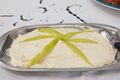 Greek Macedonian cuisine
 -
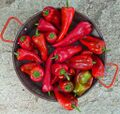 Greek Macedonian cuisine
 -
Greek Macedonian cuisine
-
Greek Macedonian cuisine
-
Greek Macedonian cuisine
-
Greek Macedonian cuisine
-
Greek Macedonian cuisine
-
 Greek Macedonian cuisine
 -
Greek Macedonian cuisine


Medical Disclaimer: WikiMD is for informational purposes only and is not a substitute for professional medical advice. Content may be inaccurate or outdated and should not be used for diagnosis or treatment. Always consult your healthcare provider for medical decisions. Verify information with trusted sources such as CDC.gov and NIH.gov. By using this site, you agree that WikiMD is not liable for any outcomes related to its content. See full disclaimer.
Credits:Most images are courtesy of Wikimedia commons, and templates, categories Wikipedia, licensed under CC BY SA or similar.
Translate page: - East Asian
中文,
日本,
한국어,
South Asian
हिन्दी,
தமிழ்,
తెలుగు,
Urdu,
ಕನ್ನಡ,
Southeast Asian
Indonesian,
Vietnamese,
Thai,
မြန်မာဘာသာ,
বাংলা
European
español,
Deutsch,
français,
Greek,
português do Brasil,
polski,
română,
русский,
Nederlands,
norsk,
svenska,
suomi,
Italian
Middle Eastern & African
عربى,
Turkish,
Persian,
Hebrew,
Afrikaans,
isiZulu,
Kiswahili,
Other
Bulgarian,
Hungarian,
Czech,
Swedish,
മലയാളം,
मराठी,
ਪੰਜਾਬੀ,
ગુજરાતી,
Portuguese,
Ukrainian


