Cuisine of Eswatini
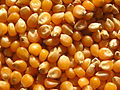
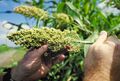
The Cuisine of Eswatini is a collection of culinary practices and dishes associated with the Kingdom of Eswatini, a landlocked country in Southern Africa. The cuisine is largely based on the country's agricultural products, with staples including maize, sorghum, and goat meat.
History[edit]
The cuisine of Eswatini has been influenced by the country's history, geography, and culture. The Swazi people, who make up the majority of the population, have traditionally relied on subsistence farming, which has shaped the country's culinary practices.
Ingredients[edit]
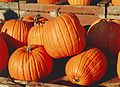
The staple food in Eswatini is maize, which is often ground into meal and used to make a porridge known as sitfubi. Other common ingredients include sorghum, beans, groundnuts, and vegetables such as pumpkin, spinach, and beetroot. Goat meat is also a popular protein source, while chicken, beef, and fish are consumed less frequently.
Dishes[edit]
One of the most popular dishes in Eswatini is emasi, a dish made from fermented milk and maize meal. Another common dish is siswaa, a traditional meat stew made from goat, beef, or chicken. Other popular dishes include umncweba (dried meat), umkhunsu (cooked and dried corn), and emahewu (a fermented drink made from maize meal).
Eating habits[edit]
In Eswatini, meals are typically communal, with families gathering around a shared pot of food. Traditional Swazi etiquette dictates that elders are served first, and that everyone eats with their right hand.
See also[edit]
References[edit]


-
Cuisine of Eswatini
-
Biltong
-
 Cuisine of Eswatini
 -
 Pumpkins
 -
 Sorghum
 -
Phaseolus Beans


Medical Disclaimer: WikiMD is for informational purposes only and is not a substitute for professional medical advice. Content may be inaccurate or outdated and should not be used for diagnosis or treatment. Always consult your healthcare provider for medical decisions. Verify information with trusted sources such as CDC.gov and NIH.gov. By using this site, you agree that WikiMD is not liable for any outcomes related to its content. See full disclaimer.
Credits:Most images are courtesy of Wikimedia commons, and templates, categories Wikipedia, licensed under CC BY SA or similar.
Translate page: - East Asian
中文,
日本,
한국어,
South Asian
हिन्दी,
தமிழ்,
తెలుగు,
Urdu,
ಕನ್ನಡ,
Southeast Asian
Indonesian,
Vietnamese,
Thai,
မြန်မာဘာသာ,
বাংলা
European
español,
Deutsch,
français,
Greek,
português do Brasil,
polski,
română,
русский,
Nederlands,
norsk,
svenska,
suomi,
Italian
Middle Eastern & African
عربى,
Turkish,
Persian,
Hebrew,
Afrikaans,
isiZulu,
Kiswahili,
Other
Bulgarian,
Hungarian,
Czech,
Swedish,
മലയാളം,
मराठी,
ਪੰਜਾਬੀ,
ગુજરાતી,
Portuguese,
Ukrainian


