Benin cuisine
Benin Cuisine is the style of cooking derived from Benin, a country in West Africa. The cuisine of Benin is known for its exotic ingredients and flavorful dishes, which are a reflection of the country's rich cultural heritage and diverse ethnic groups.
Overview[edit]
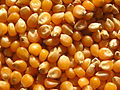
Benin cuisine is characterized by its significant use of staple foods such as corn, beans, yams, okra, and fish. These ingredients are often combined in unique ways to create dishes that are both nutritious and flavorful. The cuisine also features a variety of sauces and spices, which add depth and complexity to the dishes.
Staple Foods[edit]
The staple foods in Benin cuisine include corn, yams, beans, and rice. These are often served with a variety of sauces and stews, which are typically made from vegetables, fish, or meat. One popular dish is akassa, a type of corn dough served with a spicy sauce.
Meat and Fish[edit]
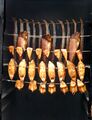
Meat and fish are important components of Benin cuisine. Goat meat, chicken, and beef are commonly used in dishes, while fish is often used in stews and sauces. Klui Klui, a popular snack made from peanuts and fish, is a favorite among locals.
Vegetables and Fruits[edit]
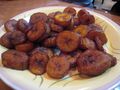
Vegetables such as okra, spinach, and eggplant are commonly used in Benin cuisine. Fruits such as mangoes, pineapples, and bananas are also popular and are often used in desserts or eaten as snacks.
Beverages[edit]
Traditional beverages in Benin include tchoukoutou, a beer made from millet, and sodabi, a palm wine. These drinks are often served at social gatherings and celebrations.
Influence[edit]
The cuisine of Benin has been influenced by various cultures, including the Fon, Yoruba, and Hausa ethnic groups. The French colonial period also had a significant impact on the cuisine, introducing ingredients such as bread and pastries.
See Also[edit]

- Benin_cuisine
-
 Benin_cuisine
 -
Benin_cuisine
-
Benin_cuisine
-
Roasting chicken
-
 Smoked fish
 -
 Bahia acaraje
 -
 Aloko
Aloko -
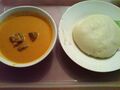 Fufu
Fufu


Medical Disclaimer: WikiMD is for informational purposes only and is not a substitute for professional medical advice. Content may be inaccurate or outdated and should not be used for diagnosis or treatment. Always consult your healthcare provider for medical decisions. Verify information with trusted sources such as CDC.gov and NIH.gov. By using this site, you agree that WikiMD is not liable for any outcomes related to its content. See full disclaimer.
Credits:Most images are courtesy of Wikimedia commons, and templates, categories Wikipedia, licensed under CC BY SA or similar.
Translate page: - East Asian
中文,
日本,
한국어,
South Asian
हिन्दी,
தமிழ்,
తెలుగు,
Urdu,
ಕನ್ನಡ,
Southeast Asian
Indonesian,
Vietnamese,
Thai,
မြန်မာဘာသာ,
বাংলা
European
español,
Deutsch,
français,
Greek,
português do Brasil,
polski,
română,
русский,
Nederlands,
norsk,
svenska,
suomi,
Italian
Middle Eastern & African
عربى,
Turkish,
Persian,
Hebrew,
Afrikaans,
isiZulu,
Kiswahili,
Other
Bulgarian,
Hungarian,
Czech,
Swedish,
മലയാളം,
मराठी,
ਪੰਜਾਬੀ,
ગુજરાતી,
Portuguese,
Ukrainian


