Anguillian cuisine
Anguillian cuisine is the style of cooking derived from the island nation of Anguilla, a British overseas territory located in the Caribbean. The cuisine is influenced by native Caribbean, African, Spanish, French and English cuisines.
History[edit]
The history of Anguillian cuisine dates back to the early indigenous people of the island, the Arawak and Carib tribes. These tribes introduced the island to a diet rich in seafood, fruits, and vegetables. The arrival of European colonizers, particularly the British and the French, introduced new cooking methods and ingredients, such as spices and livestock.
Ingredients[edit]
Anguillian cuisine is characterized by its heavy use of seafood, particularly lobster, snapper, mahimahi, conch, and goatfish. Other common ingredients include rice, peas, yam, sweet potato, corn, goat meat, and chicken. The island's tropical climate also allows for the cultivation of a variety of fruits and vegetables, such as mango, guava, papaya, banana, avocado, and cassava.
Dishes[edit]
Some of the most popular dishes in Anguillian cuisine include:
- Pigeon peas and rice: A staple dish in Anguilla, made with pigeon peas and rice cooked in coconut milk.
- Callaloo: A soup made from leafy greens, often with added meat or seafood.
- Johnny cake: A type of fried bread that is often served with breakfast or as a side dish.
- Conch soup: A hearty soup made from conch meat, vegetables, and spices.
- Goat water: A stew made from goat meat, breadfruit, and spices.
Beverages[edit]
Traditional Anguillian beverages include rum punch, made with local rum and tropical fruit juices, and mauby, a drink made from the bark of the mauby tree and sweetened with sugar.
See also[edit]

Anguillian_cuisine[edit]
-
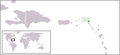 Anguillian_cuisine
 -
 Salt Cod
 -
 Breadfruit
 -
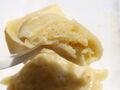 Dumplings stuffed with potato
 -
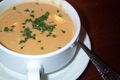 Lobster bisque


Medical Disclaimer: WikiMD is for informational purposes only and is not a substitute for professional medical advice. Content may be inaccurate or outdated and should not be used for diagnosis or treatment. Always consult your healthcare provider for medical decisions. Verify information with trusted sources such as CDC.gov and NIH.gov. By using this site, you agree that WikiMD is not liable for any outcomes related to its content. See full disclaimer.
Credits:Most images are courtesy of Wikimedia commons, and templates, categories Wikipedia, licensed under CC BY SA or similar.
Translate page: - East Asian
中文,
日本,
한국어,
South Asian
हिन्दी,
தமிழ்,
తెలుగు,
Urdu,
ಕನ್ನಡ,
Southeast Asian
Indonesian,
Vietnamese,
Thai,
မြန်မာဘာသာ,
বাংলা
European
español,
Deutsch,
français,
Greek,
português do Brasil,
polski,
română,
русский,
Nederlands,
norsk,
svenska,
suomi,
Italian
Middle Eastern & African
عربى,
Turkish,
Persian,
Hebrew,
Afrikaans,
isiZulu,
Kiswahili,
Other
Bulgarian,
Hungarian,
Czech,
Swedish,
മലയാളം,
मराठी,
ਪੰਜਾਬੀ,
ગુજરાતી,
Portuguese,
Ukrainian

