WHO Model List of Essential Medicines for Children
The WHO Model List of Essential Medicines for Children includes medicines considered essential for addressing key health needs of children worldwide. This glossary-style article provides details on some of these essential medicines with internal links to articles that provide more information on each medicine.
A[edit]
- Amoxicillin - An antibiotic used to treat a wide variety of bacterial infections. It belongs to the penicillin group of drugs and is used to treat illnesses such as pneumonia, ear infections, and strep throat.
B[edit]
- Beclomethasone - A corticosteroid used primarily to prevent asthma attacks. It works by reducing inflammation and swelling in the airways.
C[edit]
- Ceftriaxone - A third-generation cephalosporin antibiotic used for the treatment of severe bacterial infections, particularly those that are difficult to treat, such as meningitis.
D[edit]
- Diazepam - A medication of the benzodiazepine family that is commonly used to treat a range of conditions, including anxiety, seizures, and muscle spasms.
E[edit]
- Erythropoietin - Often used to treat anemia, particularly in children with chronic kidney failure. It stimulates the bone marrow to produce more red blood cells.
F[edit]
- Furosemide - A diuretic used to treat fluid build-up due to heart failure, liver scarring, or kidney disease. It can also be used to treat high blood pressure.
G[edit]
- Gentamicin - An aminoglycoside antibiotic used to treat various types of bacterial infections, particularly those caused by Gram-negative organisms.
H[edit]
- Hydrocortisone - A corticosteroid hormone used to treat many different conditions, such as allergic disorders, skin conditions, ulcerative colitis, arthritis, lupus, psoriasis, or breathing disorders.
I[edit]
- Ibuprofen - A nonsteroidal anti-inflammatory drug (NSAID) commonly used for the relief of symptoms of arthritis, fever, and as an analgesic, especially where there is an inflammatory component.
K[edit]
- Ketamine - Used primarily for starting and maintaining anesthesia. It induces a trance-like state while providing pain relief, sedation, and memory loss.
L[edit]
- Levofloxacin - An antibiotic used to treat a variety of bacterial infections. It belongs to a class of drug known as quinolone antibiotics and works by stopping the growth of bacteria.
M[edit]
- Morphine - A pain medication of the opiate family that is found naturally in a number of plants and animals. It acts directly on the central nervous system (CNS) to decrease the feeling of pain.
N[edit]
- Naloxone - A medication used to block the effects of opioids, especially in overdose. Naloxone can quickly restore normal respiration to a person whose breathing has slowed or stopped as a result of opioid use.
O[edit]
- Oral rehydration salts (ORS) - A glucose-based salt solution used to prevent and treat dehydration, especially due to diarrhea. It is on the WHO's List of Essential Medicines.
P[edit]
- Paracetamol (Acetaminophen) - A medication used to treat pain and fever. It is typically used for mild to moderate pain relief.
R[edit]
- Rifampicin - An antibiotic used to treat several types of bacterial infections, including tuberculosis and leprosy. It is often used in combination with other antibiotics.
S[edit]
- Salbutamol - A medication that opens up the medium and large airways in the lungs. It is used to treat asthma and chronic obstructive pulmonary disease (COPD).
T[edit]
- Trimethoprim - An antibiotic used mainly in the treatment of bladder infections. It is often used in combination with sulfamethoxazole.
U[edit]
(No entries under U for this list)
V[edit]
- Vancomycin - An antibiotic used to treat a number of bacterial infections. It is recommended in antibiotic-resistant situations and for people who are allergic to penicillins.
Z[edit]
- Zidovudine - An antiretroviral medication used to prevent and treat HIV/AIDS. It is generally recommended for use with other antiretrovirals.
A-Z list of WHO Model List of Essential Medicines for Children[edit]
- Abacavir/lamivudine
- Abacavir
- Acetic acid (medical use)
- Acetylcysteine
- Aciclovir
- Activated charcoal (medication)
- Adalimumab
- Albendazole
- Alcohol (medical use)
- Alcohol based hand rub
- All-trans retinoid acid
- Allopurinol
- Amikacin
- Amitriptyline
- Amodiaquine
- Amoxicillin/clavulanic acid
- Amoxicillin
- Amphotericin B
- Ampicillin
- Anti-rabies immunoglobulin
- Anti-tetanus immunoglobulin
- Antivenom immunoglobulin
- Aprepitant
- Arsenic trioxide
- Artemether/lumefantrine
- Artemether
- Artesunate/amodiaquine
- Artesunate/mefloquine
- Artesunate/pyronaridine tetraphosphate
- Artesunate
- Ascorbic acid
- Asparaginase
- Aspirin
- Atropine
- Avibactam
- Azathioprine
- Azithromycin
- Bacillus Calmette–Guérin
- Barium sulfate suspension
- Bedaquiline
- Benzathine benzylpenicillin
- Benznidazole
- Benzoyl peroxide
- Benzyl benzoate
- Benzylpenicillin
- Betamethasone
- Bleomycin
- Budesonide
- Bupivacaine
- Caffeine citrate
- Calamine
- Calcipotriol
- Calcium folinate
- Calcium gluconate
- Carbamazepine
- Carboplatin
- Cefalexin
- Cefazolin
- Cefixime
- Cefotaxime
- Ceftazidime/avibactam
- Ceftazidime
- Ceftriaxone
- Cefuroxime
- Chloramphenicol
- Chlorhexidine
- Chlorine base compound
- Chloroquine
- Chloroxylenol
- Chlorpromazine
- Cholecalciferol
- Cholera vaccine
- Ciclosporin
- Ciprofloxacin
- Cisplatin
- Clarithromycin
- Clavulanic acid
- Clindamycin
- Clofazimine
- Cloxacillin
- Coal tar
- Colistin
- Cyclizine
- Cyclophosphamide
- Cycloserine
- Cytarabine
- Dacarbazine
- Daclatasvir/sofosbuvir
- Daclatasvir
- Dactinomycin
- Dapsone
- Darunavir
- Dasatinib
- Daunorubicin
- Deferoxamine
- Delamanid
- Dengue vaccine
- Desmopressin
- Dexamethasone
- Dextran 70
- Diazepam
- Diazoxide
- Diethylcarbamazine
- Digoxin
- Dihydroartemisinin/piperaquine phosphate
- Dihydroartemisinin
- Diloxanide
- Dimercaprol
- Diphtheria antitoxin
- Diphtheria vaccine
- Docusate sodium
- Dolutegravir
- Dopamine (medication)
- Doxorubicin
- Doxycycline
- Eflornithine
- Enalapril
- Enoxaparin
- Entecavir
- Epinephrine (medication)
- Erythromycin
- Erythropoiesis-stimulating agents
- Ethambutol
- Ethionamide
- Ethosuximide
- Etoposide
- Everolimus
- Factor IX complex
- Factor VIII (medication)
- Fexinidazole
- Filgrastim
- Fluconazole
- Flucytosine
- Fludrocortisone
- Fluorescein (medical use)
- Fluoride therapy
- Fluorouracil
- Fluoxetine
- Folic acid
- Fomepizole
- Fosfomycin
- Fresh frozen plasma
- Furosemide
- Gentamicin
- Glass ionomer cement
- Glecaprevir/pibrentasvir
- Glecaprevir
- Glucagon (medication)
- Glutaral
- Griseofulvin
- HPV vaccine
- Haemophilus influenzae type b vaccine
- Haloperidol
- Halothane
- Heparin sodium
- Hepatitis A vaccine
- Hepatitis B vaccine
- Human normal immunoglobulin
- Hydrochlorothiazide
- Hydrocortisone
- Hydroxocobalamin
- Hydroxycarbamide
- Hydroxychloroquine
- Hyoscine hydrobromide
- Ibuprofen
- Ifosfamide
- Imatinib
- Influenza vaccine
- Insulin injection (soluble)
- Intermediate-acting insulin
- Intraperitoneal dialysis solution
- Intravenous sodium bicarbonate
- Intravenous sugar solution
- Iodine (medical use)
- Irinotecan
- Iron supplement
- Isoflurane
- Isoniazid/pyrazinamide/rifampicin
- Isoniazid/pyridoxine/sulfamethoxazole/trimethoprim
- Isoniazid/rifampicin
- Isoniazid
- Itraconazole
- Ivermectin
- Japanese encephalitis vaccine
- Ketamine
- Lactulose
- Lamivudine/zidovudine
- Lamivudine
- Lamotrigine
- Levamisole
- Levofloxacin
- Levothyroxine
- Lidocaine/epinephrine
- Lidocaine
- Linezolid
- Long-acting insulin analogues
- Lopinavir/ritonavir
- Lopinavir
- Loratadine
- Lorazepam
- Lugol's solution
- Lumefantrine
- Mannitol
- Measles vaccine
- Mebendazole
- Mefloquine
- Meglumine antimoniate
- Melarsoprol
- Meningococcal meningitis vaccine
- Mercaptopurine
- Meropenem
- Mesna
- Metformin
- Methadone
- Methimazole
- Methotrexate
- Methylprednisolone
- Metoclopramide
- Metronidazole
- Micafungin
- Miconazole
- Midazolam
- Miltefosine
- Morphine
- Moxifloxacin
- Multiple micronutrient powder
- Mumps vaccine
- Mupirocin
- Naloxone
- Natamycin
- Neostigmine
- Nevirapine
- Niclosamide
- Nifurtimox
- Nilotinib
- Nitrofurantoin
- Nitrous oxide (medication)
- Nystatin
- Ofloxacin
- Omeprazole
- Ondansetron
- Oral rehydration salts
- Oseltamivir
- Oxaliplatin
- Oxamniquine
- Oxygen therapy
- P-aminosalicylic acid
- Packed red blood cell
- Paclitaxel
- Pancreatic enzymes (medication)
- Paracetamol
- Paromomycin
- Pegaspargase
- Pentamidine
- Permethrin
- Pertussis vaccine
- Phenobarbital
- Phenoxymethylpenicillin
- Phenytoin
- Phytomenadione
- Pibrentasvir
- Piperacillin/tazobactam
- Piperacillin
- Piperaquine phosphate
- Platelet concentrates
- Pneumococcal vaccine
- Podophyllum resin
- Poliomyelitis vaccine
- Polymyxin B
- Potassium chloride (medical use)
- Potassium iodide
- Potassium permanganate (medical use)
- Povidone-iodine
- Praziquantel
- Prednisolone
- Primaquine
- Procaine benzylpenicillin
- Procarbazine
- Proguanil
- Propofol
- Propranolol
- Propylthiouracil
- Prostaglandin E1
- Protamine sulfate
- Pulmonary surfactant (medication)
- Pyrantel
- Pyrazinamide
- Pyridostigmine
- Pyridoxine
- Pyrimethamine
- Pyronaridine tetraphosphate
- Quinine
- Rabies immunoglobulin
- Rabies vaccine
- Raltegravir
- Ranitidine
- Rasburicase
- Realgar/Indigo naturalis
- Retinol
- Ribavirin
- Riboflavin
- Rifampicin
- Rifapentine
- Ritonavir
- Rituximab
- Rotavirus vaccine
- Rubella vaccine
- Salbutamol
- Salicylic acid (medical use)
- Saline (medicine)
- Senna glycosides
- Silver diamine fluoride
- Silver sulfadiazine
- Sodium calcium edetate
- Sodium lactate, compound solution
- Sodium stibogluconate
- Sofosbuvir/velpatasvir
- Sofosbuvir
- Spironolactone
- Streptomycin
- Succimer
- Sulfadiazine
- Sulfadoxine/pyrimethamine
- Sulfadoxine
- Sulfamethoxazole/trimethoprim
- Sulfamethoxazole
- Suramin sodium
- Suxamethonium
- Tacrolimus
- Tazobactam
- Terbinafine
- Tetanus vaccine
- Tetracaine
- Tetracycline
- Thiamine
- Tick-borne encephalitis vaccine
- Tioguanine
- Triclabendazole
- Trimethoprim
- Tropicamide
- Tuberculin
- Typhoid vaccine
- Urea-containing cream
- Valganciclovir
- Valproic acid
- Vancomycin
- Varicella vaccine
- Vecuronium
- Velpatasvir
- Vinblastine
- Vincristine
- Vinorelbine
- Voriconazole
- Warfarin
- Water for injection
- Whole blood
- Xylometazoline
- Yellow fever vaccine
- Zidovudine
- Zinc sulfate (medical use)
Also see[edit]
|
|
This article is a stub You can help WikiMD by registering and expanding it with useful details, internal links, formatting, and categories. Editing is available only to registered and verified users. WikiMD is a comprehensive, free health and wellness encyclopedia. |

WHO Model List of Essential Medicines for Children[edit]
-
 Albendazole chemical structure
 -
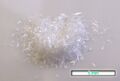 Ethambutol substance photo
 -
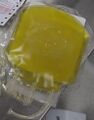 Fresh Frozen Plasma


Medical Disclaimer: WikiMD is for informational purposes only and is not a substitute for professional medical advice. Content may be inaccurate or outdated and should not be used for diagnosis or treatment. Always consult your healthcare provider for medical decisions. Verify information with trusted sources such as CDC.gov and NIH.gov. By using this site, you agree that WikiMD is not liable for any outcomes related to its content. See full disclaimer.
Credits:Most images are courtesy of Wikimedia commons, and templates, categories Wikipedia, licensed under CC BY SA or similar.
Translate page: - East Asian
中文,
日本,
한국어,
South Asian
हिन्दी,
தமிழ்,
తెలుగు,
Urdu,
ಕನ್ನಡ,
Southeast Asian
Indonesian,
Vietnamese,
Thai,
မြန်မာဘာသာ,
বাংলা
European
español,
Deutsch,
français,
Greek,
português do Brasil,
polski,
română,
русский,
Nederlands,
norsk,
svenska,
suomi,
Italian
Middle Eastern & African
عربى,
Turkish,
Persian,
Hebrew,
Afrikaans,
isiZulu,
Kiswahili,
Other
Bulgarian,
Hungarian,
Czech,
Swedish,
മലയാളം,
मराठी,
ਪੰਜਾਬੀ,
ગુજરાતી,
Portuguese,
Ukrainian

