WHO Model List of Essential Medicines
The WHO Model List of Essential Medicines is a crucial initiative spearheaded by the World Health Organization (WHO), encapsulating a list of the most efficacious, safe, and cost-effective medicines that are considered fundamental to a functioning healthcare system.
Background and Purpose[edit]
Initiated in 1977, the WHO Model List of Essential Medicines serves as a guide for countries to develop their own national essential medicines list, based on their population's healthcare needs and resources. The aim is to ensure that everyone, regardless of their location or economic status, has access to the most vital medicines for maintaining and improving health.
Criteria for Inclusion[edit]
The medicines included in the list are selected by an expert committee, based on several criteria. These include the burden of disease, evidence of efficacy and safety, and comparative cost-effectiveness. Medicines are reviewed regularly, and the list is updated every two years to ensure it remains relevant to current global health challenges.
Structure of the List[edit]
The list is divided into two sections: the Core List and the Complementary List. The Core List includes medicines that address the most prevalent and significant public health needs, while the Complementary List consists of essential medicines required for more specialized treatments, which may need more specialized diagnostic or monitoring facilities, and/or specialist medical care for their use.
Impacts and Challenges[edit]
The WHO Model List of Essential Medicines has had a significant impact on global health by promoting access to essential medicines as a component of health systems, influencing the research agenda, and encouraging the production and availability of generic medicines. However, challenges such as global supply chain issues, quality assurance, and affordability continue to affect the availability and accessibility of these essential medicines worldwide.
External links[edit]

This WikiMD article can only be edited by registered and verified editors. You can log in or register.
-
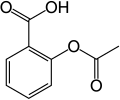 Aspirin chemical structure
 -
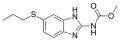 Albendazole chemical structure
 -
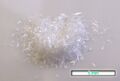 Ethambutol substance
 -
Atazanavir (Reyataz) 200mg
-
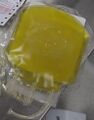 Fresh Frozen Plasma
 -
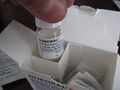 Dukoral package and vaccine vial


Medical Disclaimer: WikiMD is for informational purposes only and is not a substitute for professional medical advice. Content may be inaccurate or outdated and should not be used for diagnosis or treatment. Always consult your healthcare provider for medical decisions. Verify information with trusted sources such as CDC.gov and NIH.gov. By using this site, you agree that WikiMD is not liable for any outcomes related to its content. See full disclaimer.
Credits:Most images are courtesy of Wikimedia commons, and templates, categories Wikipedia, licensed under CC BY SA or similar.
Translate page: - East Asian
中文,
日本,
한국어,
South Asian
हिन्दी,
தமிழ்,
తెలుగు,
Urdu,
ಕನ್ನಡ,
Southeast Asian
Indonesian,
Vietnamese,
Thai,
မြန်မာဘာသာ,
বাংলা
European
español,
Deutsch,
français,
Greek,
português do Brasil,
polski,
română,
русский,
Nederlands,
norsk,
svenska,
suomi,
Italian
Middle Eastern & African
عربى,
Turkish,
Persian,
Hebrew,
Afrikaans,
isiZulu,
Kiswahili,
Other
Bulgarian,
Hungarian,
Czech,
Swedish,
മലയാളം,
मराठी,
ਪੰਜਾਬੀ,
ગુજરાતી,
Portuguese,
Ukrainian


200mg.jpg)