Oral rehydration therapy
Oral rehydration therapy (ORT) is a type of fluid replacement used for the prevention and treatment of dehydration, especially that due to diarrhea. It involves the administration of a solution of sugars and salts, taken by mouth. ORT is a simple, cost-effective, and life-saving treatment that has significantly reduced mortality rates from dehydration worldwide.

History[edit]
The principles of ORT were first established in the 1960s, with the World Health Organization (WHO) and UNICEF endorsing its use in the 1970s. The introduction of ORT has been hailed as one of the most significant medical advancements of the 20th century due to its remarkable impact on reducing mortality from diarrheal diseases, particularly in children.
Mechanism of Action[edit]
Oral rehydration therapy works on the principle of osmosis. Glucose enhances the absorption of sodium and water in the small intestine. The additional salts (sodium, potassium, chloride, and bicarbonate/citrate) help replace the electrolytes lost during diarrheal episodes.
Formulation and Administration[edit]
Oral rehydration salts (ORS) come in pre-packaged sachets that are mixed with a specified amount of clean water. The standard WHO-UNICEF formulation includes glucose, sodium chloride, potassium chloride, and trisodium citrate. In 2002, a lower osmolarity ORS was recommended by WHO and UNICEF, which has proven more effective in reducing the severity and duration of diarrhea.
For administration, it's crucial to follow the recommended water volume to ensure the correct solute concentration. Underdilution can lead to hypernatremia, while over-dilution can result in hyponatremia.
Indications and Use[edit]
ORT is primarily used in the treatment of dehydration from acute gastroenteritis, including those due to cholera. It is safe and can be used in people of all age groups. It is also used in the home management of acute diarrhea in children, which can prevent the progression to dehydration.
Limitations and Considerations[edit]
While ORT is incredibly effective, it does not stop the diarrheal episode. In some cases, adjunctive treatment may be required, such as zinc supplementation in children. In severe cases of dehydration or when vomiting prevents adequate oral intake, intravenous rehydration may be necessary.
Impact and Significance[edit]
The widespread use of ORT has had a profound impact on global health, significantly reducing mortality from diarrheal diseases. It is a cornerstone of the management of acute diarrhea, particularly in low-resource settings.
See Also[edit]
Diarrhea Dehydration Cholera World Health Organization UNICEF
References[edit]
<references>
- Victora CG, Bryce J, Fontaine O, Monasch R. (2000). Reducing deaths from diarrhoea through oral rehydration therapy. Bulletin of the World Health Organization, 78(10), 1246-1255.
- Santosham M, Chandran A, Fitzwater S, Fischer-Walker C, Baqui AH, Black R. (2010). Progress and barriers for the control of diarrhoeal disease. The Lancet, 376(9734), 63-67.
- World Health Organization. (2005). The treatment of diarrhoea: a manual for physicians and other senior health workers. World Health Organization.

This WikiMD article can only be edited by registered and verified editors. You can log in or register.
Oral rehydration therapy[edit]
-
 Oral rehydration solution
 -
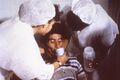 Cholera rehydration nurses
 -
 ORT sachets
 -
 DripDrop ORS Flavor packets and cup of watermelon DripDrop
 -
 UNICEF ORS
 -
 Epitelio cilindrico
 -
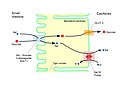 Cotransporter intest en
 -
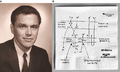 Dr Robert K. Crane and his sketch for coupled cotransport
 -
 Refugee camp


Medical Disclaimer: WikiMD is for informational purposes only and is not a substitute for professional medical advice. Content may be inaccurate or outdated and should not be used for diagnosis or treatment. Always consult your healthcare provider for medical decisions. Verify information with trusted sources such as CDC.gov and NIH.gov. By using this site, you agree that WikiMD is not liable for any outcomes related to its content. See full disclaimer.
Credits:Most images are courtesy of Wikimedia commons, and templates, categories Wikipedia, licensed under CC BY SA or similar.
Translate page: - East Asian
中文,
日本,
한국어,
South Asian
हिन्दी,
தமிழ்,
తెలుగు,
Urdu,
ಕನ್ನಡ,
Southeast Asian
Indonesian,
Vietnamese,
Thai,
မြန်မာဘာသာ,
বাংলা
European
español,
Deutsch,
français,
Greek,
português do Brasil,
polski,
română,
русский,
Nederlands,
norsk,
svenska,
suomi,
Italian
Middle Eastern & African
عربى,
Turkish,
Persian,
Hebrew,
Afrikaans,
isiZulu,
Kiswahili,
Other
Bulgarian,
Hungarian,
Czech,
Swedish,
മലയാളം,
मराठी,
ਪੰਜਾਬੀ,
ગુજરાતી,
Portuguese,
Ukrainian

