Kaffir lime
Kaffir lime (Citrus hystrix), also known as makrut lime or Mauritius papeda, is a citrus fruit native to tropical Asia, including India, Nepal, Bangladesh, Thailand, Indonesia, Malaysia, and the Philippines. It is used in Southeast Asian cuisine and its leaves are commonly used in Thai and Cambodian cooking. The fruit is rough and green, and the leaves are glossy and dark green.
Description
The Kaffir lime is a rough, warty green fruit that grows on a thorny bush. The leaves are dark green, glossy, and divided into two connected leaflets. The fruit is sour and has very little juice, but the zest is highly aromatic and is used in some food dishes.
Uses
The leaves of the Kaffir lime are used in many dishes such as soups and curries. The zest of the fruit is used in creole cuisine and to make marmalade. The juice is generally considered too sour to use in food dishes, but can be used as a cleaning agent and insect deterrent.
Cultivation
Kaffir lime trees are grown from cuttings taken from mature trees. They can be grown in pots and brought indoors in regions where the winter is harsh. They require full sun and well-drained soil.
Medicinal uses
In traditional medicine, Kaffir lime is used to promote oral health. The fruit's rind and crushed leaves are used in herbal medicine for oral care, while the juice and rinds are used in shampoo and health tonics.
See also
| Medicinal plants | ||||||||
|---|---|---|---|---|---|---|---|---|
This medicinal plants related article is a stub.
|
 | |
|---|---|
 |
 |
-
 Kaffir lime
 -
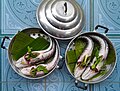 Fish stuffed with Thai herbs
 -
 Tom yam
 -
 Kaffir lime
 -
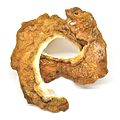 Combava rind from Madagascar
 -
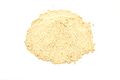 Combava powder from Madagascar
 -
 Phanaeng kai
 -
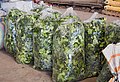 Large bags with Citrus hystrix leaves for sale in Phou Puy Wholesale Vegetable Market in Battambang, Cambodia
 -
 Kaffir lime


.jpg)


_1.jpg)
Ad. Transform your life with W8MD's
GLP-1 weight loss injections special from $29.99 with insurance
|
WikiMD Medical Encyclopedia |
Medical Disclaimer: WikiMD is for informational purposes only and is not a substitute for professional medical advice. Content may be inaccurate or outdated and should not be used for diagnosis or treatment. Always consult your healthcare provider for medical decisions. Verify information with trusted sources such as CDC.gov and NIH.gov. By using this site, you agree that WikiMD is not liable for any outcomes related to its content. See full disclaimer.
Credits:Most images are courtesy of Wikimedia commons, and templates, categories Wikipedia, licensed under CC BY SA or similar.
Translate this page: - East Asian
中文,
日本,
한국어,
South Asian
हिन्दी,
தமிழ்,
తెలుగు,
Urdu,
ಕನ್ನಡ,
Southeast Asian
Indonesian,
Vietnamese,
Thai,
မြန်မာဘာသာ,
বাংলা
European
español,
Deutsch,
français,
Greek,
português do Brasil,
polski,
română,
русский,
Nederlands,
norsk,
svenska,
suomi,
Italian
Middle Eastern & African
عربى,
Turkish,
Persian,
Hebrew,
Afrikaans,
isiZulu,
Kiswahili,
Other
Bulgarian,
Hungarian,
Czech,
Swedish,
മലയാളം,
मराठी,
ਪੰਜਾਬੀ,
ગુજરાતી,
Portuguese,
Ukrainian
