Jaffa orange
Jaffa Orange is a popular variety of orange known for its sweet taste and high juice content. The fruit is named after the city of Jaffa, in present-day Israel, where it was first produced for export.
History[edit]
The Jaffa Orange was initially developed by Arab farmers in the mid-19th century. The farmers utilized a new method of irrigation, known as the basin system, which allowed for the cultivation of these oranges in the arid climate of the region. The oranges were then exported to Europe, where they gained popularity due to their unique taste and high juice content.
Cultivation[edit]
Jaffa Oranges are typically grown in the Mediterranean climate of Israel, which provides the ideal conditions for their growth. The oranges are harvested in the winter months, from November to April. The trees are pruned and irrigated regularly to ensure a high yield. The oranges are then hand-picked to prevent damage to the fruit.
Characteristics[edit]
The Jaffa Orange is known for its thick, easy-to-peel skin and sweet, almost honey-like taste. The fruit is also seedless, making it a popular choice for juicing. The oranges are typically medium to large in size, with a slightly oval shape.
Economic Impact[edit]
The export of Jaffa Oranges has had a significant impact on the Israeli economy. The oranges are one of the country's most important agricultural exports, with millions of oranges exported each year. The industry also provides employment for thousands of people in the region.
In Popular Culture[edit]
The Jaffa Orange has also made its way into popular culture. It is often used as a symbol of the city of Jaffa and is featured in various forms of media, including literature, film, and television.
See Also[edit]
 | This fruit-related article is a stub. You can help WikiMD by expanding the page. |
-
 Jaffa oranges at a market
 -
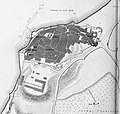 1840–42 Royal Engineers map of Jaffa
 -
 Jaffa_orange
 -
Jaffa Orange brand from Sarona
-
 Orange tree in Israel


.jpg)
Medical Disclaimer: WikiMD is for informational purposes only and is not a substitute for professional medical advice. Content may be inaccurate or outdated and should not be used for diagnosis or treatment. Always consult your healthcare provider for medical decisions. Verify information with trusted sources such as CDC.gov and NIH.gov. By using this site, you agree that WikiMD is not liable for any outcomes related to its content. See full disclaimer.
Credits:Most images are courtesy of Wikimedia commons, and templates, categories Wikipedia, licensed under CC BY SA or similar.
Translate this page: - East Asian
中文,
日本,
한국어,
South Asian
हिन्दी,
தமிழ்,
తెలుగు,
Urdu,
ಕನ್ನಡ,
Southeast Asian
Indonesian,
Vietnamese,
Thai,
မြန်မာဘာသာ,
বাংলা
European
español,
Deutsch,
français,
Greek,
português do Brasil,
polski,
română,
русский,
Nederlands,
norsk,
svenska,
suomi,
Italian
Middle Eastern & African
عربى,
Turkish,
Persian,
Hebrew,
Afrikaans,
isiZulu,
Kiswahili,
Other
Bulgarian,
Hungarian,
Czech,
Swedish,
മലയാളം,
मराठी,
ਪੰਜਾਬੀ,
ગુજરાતી,
Portuguese,
Ukrainian

