Cuisine of Sardinia
Cuisine of Sardinia
The Cuisine of Sardinia is a traditional style of cooking and eating that originates from the Island of Sardinia, Italy. It is characterized by its own unique, traditional dishes, and by the use of a wide variety of ingredients that are native to the island.
History[edit]
The cuisine of Sardinia has been influenced by the island's history. The Phoenicians, Romans, Arabs, and Spanish have all left their mark on Sardinian cuisine, introducing new ingredients and cooking methods.
Ingredients[edit]
The cuisine of Sardinia is based on the ingredients that are readily available on the island. These include sheep's milk, cheese, pork, seafood, olive oil, artichokes, and tomatoes. The island's location in the Mediterranean Sea also means that a variety of seafood is used in Sardinian cooking.
Dishes[edit]
One of the most famous dishes from Sardinia is porceddu, which is a suckling pig that is roasted on a spit. Other popular dishes include malloreddus, a type of pasta that is often served with a sauce made from sausage and tomatoes, and bottarga, which is a delicacy made from the roe of the grey mullet.
Beverages[edit]
Sardinia is also known for its beverages. The island is home to a number of wineries that produce wines such as Cannonau, Vermentino, and Malvasia. In addition to wine, Sardinia is also known for its mirto, a liqueur made from the berries of the myrtle plant.
See also[edit]
| Italian cuisine |
|---|
|
|
| Mediterranean cuisine | ||||||
|---|---|---|---|---|---|---|
* Category
|

-
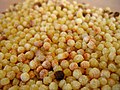 Uncooked Fregula
 -
 Cuisine of Sardinia
 -
 Culurgiones
 -
 Lorighittas
 -
 Bucatini all'Amatriciana
 -
 Macarrones
 -
 Fregola Sarda
 -
 Pane Frattau
 -
 Filindeu in Brodo
 -
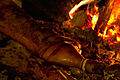 Porcetto Sardo
 -
 Carabineros
 -
 Cordula
 -
 Copuletas

.jpg)

.jpg)


Ad. Transform your life with W8MD's
GLP-1 weight loss injections special from $29.99 with insurance
|
WikiMD Medical Encyclopedia |
Medical Disclaimer: WikiMD is for informational purposes only and is not a substitute for professional medical advice. Content may be inaccurate or outdated and should not be used for diagnosis or treatment. Always consult your healthcare provider for medical decisions. Verify information with trusted sources such as CDC.gov and NIH.gov. By using this site, you agree that WikiMD is not liable for any outcomes related to its content. See full disclaimer.
Credits:Most images are courtesy of Wikimedia commons, and templates, categories Wikipedia, licensed under CC BY SA or similar.
Translate this page: - East Asian
中文,
日本,
한국어,
South Asian
हिन्दी,
தமிழ்,
తెలుగు,
Urdu,
ಕನ್ನಡ,
Southeast Asian
Indonesian,
Vietnamese,
Thai,
မြန်မာဘာသာ,
বাংলা
European
español,
Deutsch,
français,
Greek,
português do Brasil,
polski,
română,
русский,
Nederlands,
norsk,
svenska,
suomi,
Italian
Middle Eastern & African
عربى,
Turkish,
Persian,
Hebrew,
Afrikaans,
isiZulu,
Kiswahili,
Other
Bulgarian,
Hungarian,
Czech,
Swedish,
മലയാളം,
मराठी,
ਪੰਜਾਬੀ,
ગુજરાતી,
Portuguese,
Ukrainian
