Sleep induction
Sleep induction refers to the deliberate effort to bring on sleep using various techniques or medicinal means. It is practiced to lengthen periods of sleep, increase the effectiveness of sleep, and to reduce or prevent insomnia.
Techniques[edit]
There are several non-pharmacological techniques for sleep induction, including:
- Relaxation techniques: Methods such as progressive muscle relaxation, deep breathing exercises, and meditation can help to calm the mind and body, making it easier to fall asleep.
- Cognitive-behavioral therapy (CBT): CBT for insomnia focuses on identifying and changing negative thoughts and behaviors related to sleep, as well as developing healthy sleep habits.
- Sleep hygiene: Creating a comfortable sleep environment, establishing a regular sleep schedule, and avoiding stimulating activities before bedtime can improve sleep quality and make it easier to fall asleep.
- Sleep restriction: Limiting time spent in bed to the amount of sleep actually needed can help consolidate sleep and make it easier to fall asleep.
- Stimulus control: Associating the bed and bedroom with sleep and relaxation, rather than activities like watching television or working, can help to reinforce the connection between sleep and the sleep environment.
- Sleep aids: Listening to calming music, using white noise machines, or engaging in other relaxing activities can help to create an environment that is conducive to sleep.
Medicinal means[edit]
Pharmacological methods for sleep induction include:
- Over-the-counter sleep aids: These medications typically contain antihistamines that cause drowsiness, such as diphenhydramine or doxylamine succinate.
- Prescription sleep medications: Healthcare professionals may prescribe medications like zolpidem, eszopiclone, or ramelteon to help induce sleep. These medications should be used under the guidance of a healthcare professional and for a limited time.
- Melatonin: Melatonin is a hormone that helps regulate sleep-wake cycles. Melatonin supplements can be used to help adjust the body's internal clock, particularly in cases of jet lag or shift work.
- Herbal remedies: Some people find that herbal remedies, such as valerian root, chamomile, or passionflower, help to promote sleep.
Risks and considerations[edit]
While sleep induction techniques and medications can be beneficial for those struggling with insomnia or other sleep disturbances, it is important to use them responsibly and under the guidance of a healthcare professional. Prolonged use of sleep aids can lead to dependence, tolerance, and potential side effects. It is essential to address the underlying causes of sleep disturbances and to practice good sleep hygiene for long-term sleep health.

This WikiMD article can only be edited by registered and verified editors. You can log in or register.
-
 A sleep mask used to block out light for better sleep.
 -
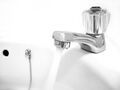 A running faucet, often associated with the calming sound of water.
 -
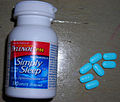 A bottle of Tylenol, a common over-the-counter sleep aid.
 -
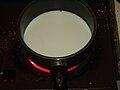 Warm milk being prepared, a traditional remedy for inducing sleep.


.jpg)
Sponsored Health Resource

W8MD Weight Loss, Sleep & MedSpa
Looking for physician-supervised weight loss, semaglutide, tirzepatide, or GLP-1 receptor agonist options? W8MD helps eligible patients in New York City, Brooklyn, New Jersey, Connecticut, Pennsylvania, Delaware, and greater Philadelphia with medical weight loss, sleep medicine, and long-term maintenance support.
GLP-1 specials: Affordable GLP-1 injections NYC and Philadelphia starting from $29.99/week and up for semaglutide with insurance accepted for qualifying visits, and $45/week and up for tirzepatide with insurance accepted for qualifying visits. Self-pay options start from $59.99/week and up for semaglutide and $69.99/week and up for tirzepatide.
Medical weight loss NYC | Affordable GLP-1 injections NYC | Budget GLP-1 weight loss shots Philadelphia | New Jersey medical weight loss | NYC medical weight loss | Philadelphia medical weight loss | Sleep clinic NYC | W8MD's Philadelphia GLP-1 doctor | Weight loss prescriptions NYC
Book a W8MD appointment · View GLP-1 specials
Paid promotional message. Eligibility, pricing, insurance coverage, medication availability, and results vary. Medical evaluation required.

Medical Disclaimer: WikiMD is for informational purposes only and is not a substitute for professional medical advice. Content may be inaccurate or outdated and should not be used for diagnosis or treatment. Always consult your healthcare provider for medical decisions. Verify information with trusted sources such as CDC.gov and NIH.gov. By using this site, you agree that WikiMD is not liable for any outcomes related to its content. See full disclaimer.
Credits:Most images are courtesy of Wikimedia commons, and templates, categories Wikipedia, licensed under CC BY SA or similar.
Translate page: - East Asian
中文,
日本,
한국어,
South Asian
हिन्दी,
தமிழ்,
తెలుగు,
Urdu,
ಕನ್ನಡ,
Southeast Asian
Indonesian,
Vietnamese,
Thai,
မြန်မာဘာသာ,
বাংলা
European
español,
Deutsch,
français,
Greek,
português do Brasil,
polski,
română,
русский,
Nederlands,
norsk,
svenska,
suomi,
Italian
Middle Eastern & African
عربى,
Turkish,
Persian,
Hebrew,
Afrikaans,
isiZulu,
Kiswahili,
Other
Bulgarian,
Hungarian,
Czech,
Swedish,
മലയാളം,
मराठी,
ਪੰਜਾਬੀ,
ગુજરાતી,
Portuguese,
Ukrainian

