Melatonin
Melatonin is a hormone that is produced by the pineal gland in animals and regulates sleep and wakefulness. Melatonin is also produced in plants where it functions as a first line of defense against oxidative stress.
Production[edit]
In animals, melatonin is produced by the pineal gland, a small endocrine gland located between the two hemispheres of the brain. The release of melatonin is influenced by the suprachiasmatic nucleus of the hypothalamus, which receives information about light exposure from the retina.
In plants, melatonin is produced in response to exposure to light and certain other types of stress. It has a role in the photosynthesis process and helps to regulate the opening and closing of stomata on the plant's leaves.
Function[edit]
Melatonin has several functions in the central nervous system, the most important of which is to help control sleep patterns. It is involved in the timing of circadian rhythms, including sleep and body temperature.
In plants, melatonin functions as an antioxidant, helping to protect cells from damage caused by free radicals.
Medical uses[edit]
Melatonin is used in medicine to treat insomnia and other sleep disorders. It is also used to treat jet lag, to adjust sleep-wake cycles in people who do shift work, and to help blind people establish a day and night cycle.
Side effects[edit]
Melatonin has few side effects, but they can include sleepiness, lower body temperature, and vivid dreams. Less common side effects can include abdominal discomfort, mild anxiety, irritability, confusion and short-lasting feelings of depression.
See also[edit]

This WikiMD article can only be edited by registered and verified editors. You can log in or register.
Melatonin[edit]
-
Circadian rhythm
-
Melatonin biosynthesis
-
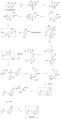 Melatonin mechanism

Sponsored Health Resource

W8MD Weight Loss, Sleep & MedSpa
Looking for physician-supervised weight loss, semaglutide, tirzepatide, or GLP-1 receptor agonist options? W8MD helps eligible patients in New York City, Brooklyn, New Jersey, Connecticut, Pennsylvania, Delaware, and greater Philadelphia with medical weight loss, sleep medicine, and long-term maintenance support.
GLP-1 specials: Affordable GLP-1 injections NYC and Philadelphia starting from $29.99/week and up for semaglutide with insurance accepted for qualifying visits, and $45/week and up for tirzepatide with insurance accepted for qualifying visits. Self-pay options start from $59.99/week and up for semaglutide and $69.99/week and up for tirzepatide.
- Medical weight loss NYC
- Affordable GLP-1 injections NYC
- Budget GLP-1 weight loss shots Philadelphia
- New Jersey medical weight loss
- NYC medical weight loss blog
- Philadelphia weight loss blog
- Sleep medicine and sleep apnea services
- W8MD MedSpa and wellness
Book a W8MD appointment · View GLP-1 specials
Paid promotional message. Eligibility, pricing, insurance coverage, medication availability, and results vary. Medical evaluation required.

Medical Disclaimer: WikiMD is for informational purposes only and is not a substitute for professional medical advice. Content may be inaccurate or outdated and should not be used for diagnosis or treatment. Always consult your healthcare provider for medical decisions. Verify information with trusted sources such as CDC.gov and NIH.gov. By using this site, you agree that WikiMD is not liable for any outcomes related to its content. See full disclaimer.
Credits:Most images are courtesy of Wikimedia commons, and templates, categories Wikipedia, licensed under CC BY SA or similar.
Translate page: - East Asian
中文,
日本,
한국어,
South Asian
हिन्दी,
தமிழ்,
తెలుగు,
Urdu,
ಕನ್ನಡ,
Southeast Asian
Indonesian,
Vietnamese,
Thai,
မြန်မာဘာသာ,
বাংলা
European
español,
Deutsch,
français,
Greek,
português do Brasil,
polski,
română,
русский,
Nederlands,
norsk,
svenska,
suomi,
Italian
Middle Eastern & African
عربى,
Turkish,
Persian,
Hebrew,
Afrikaans,
isiZulu,
Kiswahili,
Other
Bulgarian,
Hungarian,
Czech,
Swedish,
മലയാളം,
मराठी,
ਪੰਜਾਬੀ,
ગુજરાતી,
Portuguese,
Ukrainian


