Mexican tea culture
Mexican Tea Culture refers to the ways in which tea is consumed in Mexico, as well as the social, cultural, and historical contexts in which it is prepared and served. While not as globally recognized as other tea cultures, such as those in China or India, Mexican tea culture has a rich history and a unique set of customs and traditions.
History[edit]
The history of Mexican tea culture dates back to pre-Columbian times, when indigenous peoples such as the Aztecs and Mayans used various plants and herbs to make infusions for medicinal and ceremonial purposes. The introduction of Camellia sinensis, the plant from which most traditional teas are made, came later with the arrival of European colonizers.
Tea Types[edit]
Mexican tea culture includes a variety of tea types, both traditional and modern. Herbal teas, known as tisanes, are particularly popular and often incorporate native plants such as chamomile, lemongrass, and hibiscus. Black tea and green tea, while not as prevalent, are also consumed.
Preparation and Consumption[edit]
The preparation and consumption of tea in Mexico can vary greatly depending on the region, the occasion, and personal preference. However, some common practices include boiling water in a pot or kettle, steeping the tea leaves or herbs for a specific amount of time, and serving the tea hot, often with sweeteners such as sugar or honey.
Social and Cultural Significance[edit]
Tea plays a significant role in various aspects of Mexican social and cultural life. It is often served at meals, social gatherings, and special occasions. In addition, many Mexicans use tea as a form of herbal medicine, believing in its ability to heal and soothe various ailments.
Modern Developments[edit]
In recent years, there has been a growing interest in tea culture in Mexico, with a number of specialty tea shops and tea houses opening up across the country. This has led to a greater appreciation for high-quality, loose-leaf teas and a deeper understanding of the art and science of tea preparation.
| Tea (Camellia sinensis) | ||||||||||||||||||
|---|---|---|---|---|---|---|---|---|---|---|---|---|---|---|---|---|---|---|
* Category
|

-
 Agua de Jamaica
 -
 Traditional Mexican Tea Set
 -
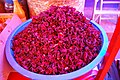 Dried Hibiscus Flowers


Medical Disclaimer: WikiMD is for informational purposes only and is not a substitute for professional medical advice. Content may be inaccurate or outdated and should not be used for diagnosis or treatment. Always consult your healthcare provider for medical decisions. Verify information with trusted sources such as CDC.gov and NIH.gov. By using this site, you agree that WikiMD is not liable for any outcomes related to its content. See full disclaimer.
Credits:Most images are courtesy of Wikimedia commons, and templates, categories Wikipedia, licensed under CC BY SA or similar.
Translate this page: - East Asian
中文,
日本,
한국어,
South Asian
हिन्दी,
தமிழ்,
తెలుగు,
Urdu,
ಕನ್ನಡ,
Southeast Asian
Indonesian,
Vietnamese,
Thai,
မြန်မာဘာသာ,
বাংলা
European
español,
Deutsch,
français,
Greek,
português do Brasil,
polski,
română,
русский,
Nederlands,
norsk,
svenska,
suomi,
Italian
Middle Eastern & African
عربى,
Turkish,
Persian,
Hebrew,
Afrikaans,
isiZulu,
Kiswahili,
Other
Bulgarian,
Hungarian,
Czech,
Swedish,
മലയാളം,
मराठी,
ਪੰਜਾਬੀ,
ગુજરાતી,
Portuguese,
Ukrainian
