Qilan tea
Qilan tea is a type of oolong tea that originates from the Wuyi Mountains in the Fujian Province of China. It is known for its unique floral aroma and sweet taste, making it a popular choice among tea enthusiasts.
History[edit]
The history of Qilan tea dates back to the Ming Dynasty, where it was first cultivated in the Wuyi Mountains. The tea is named after the Qilan tree, a type of rare and precious orchid that grows in the same region. The tea leaves are harvested from tea bushes that grow in the mineral-rich soil of the Wuyi Mountains, which contributes to the tea's distinctive flavor profile.
Production Process[edit]
The production process of Qilan tea involves several steps, including withering, rolling, oxidation, and roasting. The tea leaves are first withered under the sun to reduce their moisture content. They are then rolled to break down the cell walls and release the tea's natural oils. The leaves are then allowed to oxidize, which enhances the tea's flavor and aroma. Finally, the leaves are roasted to stop the oxidation process and dry the leaves.
Flavor Profile[edit]
Qilan tea is known for its floral aroma and sweet taste. The tea has a complex flavor profile, with notes of orchid, honey, and caramel. The tea also has a long-lasting aftertaste, which is a characteristic of high-quality oolong teas.
Health Benefits[edit]
Like other types of oolong tea, Qilan tea is rich in antioxidants, which can help to protect the body against oxidative stress. The tea is also believed to aid in weight loss, improve heart health, and boost the immune system.
Brewing Qilan Tea[edit]
To brew Qilan tea, it is recommended to use a gaiwan or a small clay teapot. The water temperature should be around 90-95 degrees Celsius, and the brewing time should be around 1-2 minutes. The tea leaves can be re-steeped multiple times, with each steeping revealing a different layer of the tea's flavor profile.
See Also[edit]
References[edit]
External Links[edit]
-
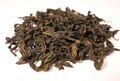 Qi Lan Oolong tea leaf
 -
Qi Lan Oolong tea leaf close


Medical Disclaimer: WikiMD is for informational purposes only and is not a substitute for professional medical advice. Content may be inaccurate or outdated and should not be used for diagnosis or treatment. Always consult your healthcare provider for medical decisions. Verify information with trusted sources such as CDC.gov and NIH.gov. By using this site, you agree that WikiMD is not liable for any outcomes related to its content. See full disclaimer.
Credits:Most images are courtesy of Wikimedia commons, and templates, categories Wikipedia, licensed under CC BY SA or similar.
Translate page: - East Asian
中文,
日本,
한국어,
South Asian
हिन्दी,
தமிழ்,
తెలుగు,
Urdu,
ಕನ್ನಡ,
Southeast Asian
Indonesian,
Vietnamese,
Thai,
မြန်မာဘာသာ,
বাংলা
European
español,
Deutsch,
français,
Greek,
português do Brasil,
polski,
română,
русский,
Nederlands,
norsk,
svenska,
suomi,
Italian
Middle Eastern & African
عربى,
Turkish,
Persian,
Hebrew,
Afrikaans,
isiZulu,
Kiswahili,
Other
Bulgarian,
Hungarian,
Czech,
Swedish,
മലയാളം,
मराठी,
ਪੰਜਾਬੀ,
ગુજરાતી,
Portuguese,
Ukrainian


