Offal: Difference between revisions
CSV import |
CSV import |
||
| Line 40: | Line 40: | ||
[[Category:Culinary terminology]] | [[Category:Culinary terminology]] | ||
[[Category:Organ meats]] | [[Category:Organ meats]] | ||
<gallery> | |||
File:Pates p1150435.jpg|Offal | |||
File:MarketScene.jpg|Offal | |||
File:Tetes de veaux.jpg|Offal | |||
File:Haggis uncooked.jpg|Offal | |||
File:Smalahove01.JPG|Offal | |||
File:Svið.jpg|Offal | |||
File:Pieds et paquets 2.jpg|Offal | |||
File:Andouillette de Troyes.jpg|Offal | |||
File:kokoretsi.jpg|Offal | |||
File:Shkembe-chorba.jpg|Offal | |||
File:Anticucho del Perú.JPG|Offal | |||
File:Goat Offal.JPG|Offal | |||
</gallery> | |||
Latest revision as of 01:29, 20 February 2025
Offal
Offal refers to the internal organs and entrails of a butchered animal, which are used as food. The term is often used to describe the parts of the animal that are not typically consumed in Western cuisine, although they are considered delicacies in many cultures around the world.
Etymology[edit]
The word "offal" comes from the Middle English term "offeal," which means "off fall," referring to the parts of an animal that fall off during butchering. It has been used since the 14th century to describe the edible internal parts of animals.
Types of Offal[edit]
Offal includes a wide variety of animal parts, each with its own culinary uses and nutritional benefits. Some common types of offal include:
- Liver: Rich in iron and vitamin A, liver is a popular type of offal consumed worldwide. It can be prepared in various ways, such as frying, grilling, or making pâté.
- Kidneys: Often used in dishes like steak and kidney pie, kidneys are known for their distinctive flavor and are a good source of protein and vitamin B12.
- Heart: The heart is a muscle and is often prepared similarly to other muscle meats. It is rich in iron and zinc.
- Brains: Consumed in some cultures, brains are high in omega-3 fatty acids and nutrients like vitamin B12.
- Tripe: The stomach lining of ruminant animals, tripe is used in dishes like menudo and trippa alla romana.
- Sweetbreads: These are the thymus or pancreas glands of animals, often considered a delicacy.
- Tongue: Known for its tender texture when cooked properly, tongue is used in various cuisines, including tacos de lengua in Mexican cuisine.
Cultural Significance[edit]
Offal has a significant place in many culinary traditions around the world. In some cultures, it is considered a delicacy, while in others, it is a staple food due to its affordability and nutritional value. For example, in French cuisine, dishes like foie gras and pâté de campagne are made from liver, while in Chinese cuisine, offal is used in dishes like dim sum and hot pot.
Nutritional Value[edit]
Offal is often rich in essential nutrients, including vitamins, minerals, and proteins. It is particularly high in iron, vitamin A, and vitamin B12. However, some types of offal, such as liver, can also be high in cholesterol and should be consumed in moderation.
Health Considerations[edit]
While offal is nutritious, it is important to consider the source and preparation methods. Offal can carry a risk of foodborne illnesses if not handled or cooked properly. It is also important to be aware of the potential for high cholesterol content in some types of offal.
Also see[edit]

- Portal:Food | Glossary of healthy eating | UK Foods | US Foods | Dietary Supplements | Nutrition values of foods
- Encyclopedia of nutrition | Calorie Finder | Nutrition Database | Glycemic Index of Foods | Protein rich foods list
- Lists of food & drink articles
| Meat | ||||||||||
|---|---|---|---|---|---|---|---|---|---|---|
|
-
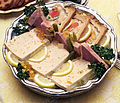 Offal
Offal -
 Offal
Offal -
 Offal
Offal -
 Offal
Offal -
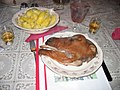 Offal
Offal -
 Offal
Offal -
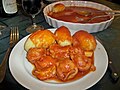 Offal
Offal -
 Offal
Offal -
 Offal
Offal -
 Offal
Offal -
 Offal
Offal -
 Offal
Offal


