Shark meat
Shark meat refers to the flesh of sharks. Its consumption by humans has been happening for centuries. However, the practice has been controversial due to conservation issues and the health risks it poses.
Etymology[edit]
The term "shark meat" is derived from the English word "shark", which is thought to have been borrowed from the German "Schurke", meaning villain, and the word "meat", which comes from the Old English "mete", meaning food.
History[edit]
Shark meat has been a part of the diet of various cultures around the world. In Asia, particularly in Japan and China, it is often used in soups and stews. In Iceland, a traditional dish called Hákarl is made from fermented shark meat.
Health Risks[edit]
Consumption of shark meat poses several health risks. Sharks, being at the top of the food chain, accumulate heavy metals like mercury in their bodies, which can be harmful to humans when ingested. Additionally, shark meat is also known to contain high levels of BMAA, a neurotoxin linked to neurodegenerative diseases.
Conservation Issues[edit]
Overfishing of sharks for their meat and fins has led to a decline in shark populations worldwide. This has raised concerns about the sustainability of shark fishing practices. Several species of sharks are now listed as endangered or vulnerable by the IUCN Red List.
Culinary Uses[edit]
Despite the health risks and conservation issues, shark meat continues to be used in various cuisines. It is often sold in fish markets and served in restaurants. In some cultures, shark fin soup is considered a delicacy.
See Also[edit]
References[edit]

This WikiMD article can only be edited by registered and verified editors. You can log in or register.
-
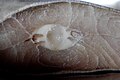 Cazonete
 -
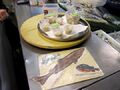
 Shark meat in supermarket
 -
 Fermented Shark Meat
 -
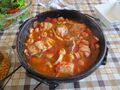 Moqueca capixaba
 -
 Sanjeok and dombaegi
 -
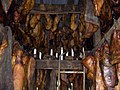 Hakarl near Bjarnahöfn in Iceland


.jpg)
.JPG)


Advertise on WikiMD — 81,000+ full articles, ~900,000 total pages, ~250 million page views. Global reach, limited time promotional rates from $1/page/day. Learn more · View stats

Translate page: - East Asian
中文,
日本,
한국어,
South Asian
हिन्दी,
தமிழ்,
తెలుగు,
Urdu,
ಕನ್ನಡ,
Southeast Asian
Indonesian,
Vietnamese,
Thai,
မြန်မာဘာသာ,
বাংলা
European
español,
Deutsch,
français,
Greek,
português do Brasil,
polski,
română,
русский,
Nederlands,
norsk,
svenska,
suomi,
Italian
Middle Eastern & African
عربى,
Turkish,
Persian,
Hebrew,
Afrikaans,
isiZulu,
Kiswahili,
Other
Bulgarian,
Hungarian,
Czech,
Swedish,
മലയാളം,
मराठी,
ਪੰਜਾਬੀ,
ગુજરાતી,
Portuguese,
Ukrainian
About WikiMD • Contact • Disclaimer • Privacy • Copyright • Site statistics
Some content and images may originate from Wikimedia Commons or Wikipedia and remain subject to their stated licenses. Unless otherwise noted, eligible WikiMD content is available under CC BY-SA 4.0.
WikiMD Wellnesspedia — Free health & wellness information for patients, students, and health professionals.

