Glybuzole: Difference between revisions
CSV import Tags: mobile edit mobile web edit |
CSV import |
||
| Line 51: | Line 51: | ||
{{Diabetes}} | {{Diabetes}} | ||
{{Pharmacology-stub}} | {{Pharmacology-stub}} | ||
<gallery> | |||
File:Glybuzole.svg|Glybuzole | |||
File:Synthesis_Glybuzole_general.jpg|Synthesis of Glybuzole (general) | |||
File:Synthesis_Glybuzole.jpg|Synthesis of Glybuzole | |||
</gallery> | |||
Latest revision as of 01:08, 18 February 2025
Glybuzole is a pharmaceutical drug used in the management of Type 2 diabetes. It belongs to a class of medications known as sulfonylureas, which are used to lower blood sugar levels by increasing insulin production in the pancreas. Glybuzole works by stimulating the release of insulin from the beta cells of the pancreas, thereby reducing blood glucose levels. It is an oral medication, making it a convenient option for many patients.
Mechanism of Action[edit]
Glybuzole functions by binding to sulfonylurea receptors (SUR) on the pancreatic beta cells. This binding leads to the closure of potassium channels, which in turn causes depolarization of the cell membrane. As a result, calcium channels open, allowing calcium ions to enter the cell. The increase in intracellular calcium stimulates the exocytosis of insulin-containing granules, thus increasing insulin secretion.
Indications[edit]
Glybuzole is primarily indicated for the treatment of Type 2 diabetes in adults, particularly in those who cannot achieve blood sugar control through diet and exercise alone. It is often used when other medications, such as metformin, are not suitable or have not provided adequate control of blood glucose levels.
Contraindications[edit]
Glybuzole is contraindicated in individuals with:
- Known hypersensitivity to glybuzole or any component of the formulation
- Type 1 diabetes
- Diabetic ketoacidosis
- Severe renal or hepatic impairment
Side Effects[edit]
Common side effects of glybuzole include:
- Hypoglycemia (low blood sugar)
- Weight gain
- Nausea
- Dizziness
Severe side effects may include:
- Jaundice
- Thrombocytopenia (low platelet count)
- Hepatic dysfunction
Patients should monitor for signs of hypoglycemia and seek medical advice if they experience symptoms such as confusion, dizziness, or increased hunger.
Drug Interactions[edit]
Glybuzole can interact with several other medications, potentially increasing the risk of hypoglycemia or reducing the drug's effectiveness. These include:
- Nonsteroidal anti-inflammatory drugs (NSAIDs)
- Alcohol
- Certain antifungals
- Beta-blockers
Patients should inform their healthcare provider of all medications they are taking to avoid potential interactions.
Administration and Dosage[edit]
The dosage of glybuzole is individualized based on the patient's response and blood glucose levels. It is typically taken once daily with breakfast or the first main meal. Starting doses and adjustments should be made under the guidance of a healthcare professional.
Pharmacokinetics[edit]
Glybuzole is absorbed from the gastrointestinal tract, with peak plasma concentrations occurring within 1-2 hours after oral administration. It is extensively metabolized in the liver and excreted in the urine. The half-life of glybuzole allows for once-daily dosing in most patients.
Conclusion[edit]
Glybuzole is an effective medication for the management of Type 2 diabetes, particularly in patients who require additional glycemic control beyond diet and exercise. However, it is important for patients to be aware of the potential side effects and drug interactions associated with glybuzole. Regular monitoring of blood glucose levels and adherence to the prescribed dosage are crucial for achieving optimal treatment outcomes.
| Diabetes | ||||||||||
|---|---|---|---|---|---|---|---|---|---|---|
|

-
 Glybuzole
 -
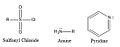 Synthesis of Glybuzole (general)
 -
 Synthesis of Glybuzole


