Bulimia nervosa: Difference between revisions
CSV import |
CSV import |
||
| Line 55: | Line 55: | ||
[[Category:Mental health]] | [[Category:Mental health]] | ||
[[Category:Psychiatry]] | [[Category:Psychiatry]] | ||
== Bulimia nervosa == | |||
<gallery> | |||
File:BulemiaEnamalLoss.JPG|Bulimia nervosa | |||
File:Bulimiafaqdia.jpg|Bulimia nervosa | |||
File:Oral Manifestation of Bulimia..jpg|Bulimia nervosa | |||
File:Eating disorders world map-Deaths per million persons-WHO2012.svg|Bulimia nervosa | |||
</gallery> | |||
Revision as of 00:49, 20 February 2025
- Bulimia Nervosa
Bulimia nervosa is an eating disorder characterized by episodes of binge eating followed by inappropriate methods of weight control, such as purging, fasting, or excessive exercise. This condition is a serious mental health disorder that can have severe physical and emotional consequences.
Signs and Symptoms
Individuals with bulimia nervosa may exhibit a variety of signs and symptoms, including:
- Recurrent episodes of binge eating, defined as consuming an unusually large amount of food in a discrete period of time.
- A feeling of lack of control over eating during the binge episodes.
- Engaging in compensatory behaviors to prevent weight gain, such as self-induced vomiting, misuse of laxatives, diuretics, or enemas.
- Fasting or engaging in excessive exercise.
- Preoccupation with body shape and weight.
- Frequent fluctuations in weight.
Causes
The exact cause of bulimia nervosa is unknown, but it is believed to be a combination of genetic, biological, psychological, and sociocultural factors. Some potential contributing factors include:
- Genetics: A family history of eating disorders may increase the risk.
- Biological factors: Imbalances in brain chemicals such as serotonin may play a role.
- Psychological factors: Low self-esteem, perfectionism, and impulsive behavior are common traits.
- Sociocultural influences: Societal pressure to conform to certain body ideals can contribute to the development of bulimia.
Diagnosis
The diagnosis of bulimia nervosa is typically made based on the criteria outlined in the Diagnostic and Statistical Manual of Mental Disorders (DSM-5). Key diagnostic criteria include:
- Recurrent episodes of binge eating.
- Recurrent inappropriate compensatory behaviors to prevent weight gain.
- The binge eating and compensatory behaviors both occur, on average, at least once a week for three months.
- Self-evaluation is unduly influenced by body shape and weight.
Treatment
Treatment for bulimia nervosa often involves a combination of psychotherapy, nutritional counseling, and medication. Common approaches include:
- Cognitive-behavioral therapy (CBT): A type of therapy that helps individuals change negative thought patterns and behaviors.
- Interpersonal therapy (IPT): Focuses on improving interpersonal relationships and communication skills.
- Medications: Antidepressants, such as selective serotonin reuptake inhibitors (SSRIs), may be prescribed to help reduce symptoms.
- Nutritional counseling: Guidance on healthy eating habits and meal planning.
Complications
Bulimia nervosa can lead to a range of serious health complications, including:
- Electrolyte imbalances, which can lead to cardiac arrhythmias and heart failure.
- Gastrointestinal problems, such as esophagitis, gastritis, and constipation.
- Dental issues, including tooth decay and gum disease, due to repeated exposure to stomach acid.
- Mental health issues, such as anxiety, depression, and substance abuse.
See Also
References
- American Psychiatric Association. (2013). Diagnostic and Statistical Manual of Mental Disorders (5th ed.).
- National Institute of Mental Health. Eating Disorders: About More Than Food.
| Eating disorders | ||||||||||
|---|---|---|---|---|---|---|---|---|---|---|
This eating disorder related article is a stub.
|
Bulimia nervosa
-
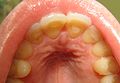 Bulimia nervosa
 -
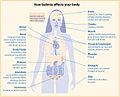 Bulimia nervosa
 -
 Bulimia nervosa
 -
 Bulimia nervosa


