Dental erosion: Difference between revisions
No edit summary |
CSV import |
||
| Line 61: | Line 61: | ||
[[Category:Oral Health]] | [[Category:Oral Health]] | ||
[[Category:Dental Conditions]] | [[Category:Dental Conditions]] | ||
==Dental erosion== | |||
<gallery> | |||
File:Dental_erosion_(hypoestrogenia)_no211.jpg|Dental erosion due to hypoestrogenia | |||
File:PH_scale.svg|pH scale | |||
File:Oral_Manifestation_of_Bulimia..jpg|Oral manifestation of bulimia | |||
File:Toothmold.jpg|Dental erosion | |||
</gallery> | |||
Revision as of 04:38, 18 February 2025
Dental erosion is a dental condition characterized by the gradual loss of tooth enamel due to chemical processes, typically involving acids. This article provides an overview of dental erosion, its causes, symptoms, prevention, and treatment.
Overview
Dental erosion is a common dental problem in which the hard outer layer of the tooth, known as enamel, is eroded or worn away by acidic substances. This erosion can lead to tooth sensitivity, changes in tooth appearance, and increased risk of dental cavities.
Causes
Dental erosion can be caused by various factors, including:
- Acidic Foods and Beverages: Consumption of highly acidic foods and drinks, such as citrus fruits, carbonated sodas, and certain fruit juices.
- Gastroesophageal Reflux Disease (GERD): Acid reflux can introduce stomach acids into the mouth, causing erosion.
- Vomiting: Frequent vomiting, as seen in eating disorders or morning sickness, exposes teeth to stomach acid.
- Medications: Some medications, particularly those with a high acid content, can contribute to dental erosion.
- Environmental Factors: Exposure to environmental acids, like swimming pool water with low pH levels, can also play a role.
Symptoms
Common symptoms of dental erosion may include:
- Tooth Sensitivity: Increased sensitivity to hot, cold, or sweet foods and beverages.
- Changes in Tooth Appearance: Notable changes in tooth color, shape, and surface texture.
- Thinning of Tooth Enamel: A decrease in the thickness of tooth enamel.
- Toothache: Discomfort or pain, especially when consuming certain foods or beverages.
Prevention
Preventing dental erosion involves adopting good oral hygiene practices and making dietary and lifestyle changes:
- Limit Acidic Foods and Drinks: Reduce consumption of acidic foods and beverages. Rinse the mouth with water after consuming them.
- Use a Straw: When drinking acidic beverages, use a straw to minimize contact with teeth.
- Maintain Good Oral Hygiene: Brush teeth gently with a soft-bristle toothbrush and fluoride toothpaste. Avoid brushing immediately after consuming acidic substances.
- Chew Sugar-Free Gum: Chewing sugar-free gum can stimulate saliva production, which helps neutralize acids.
- Regular Dental Check-ups: Visit a dentist for routine check-ups to detect dental erosion and receive guidance on prevention.
Treatment
The treatment of dental erosion depends on its severity. Options may include:
- Fluoride Treatment: Topical fluoride applications to strengthen enamel.
- Dental Bonding: Applying dental bonding material to restore damaged areas.
- Dental Crowns: In severe cases, crowns may be used to protect and restore teeth.
- Behavioral Therapy: Managing underlying conditions, such as GERD or eating disorders, to reduce acid exposure.
See Also
Dental erosion
-
 Dental erosion due to hypoestrogenia
 -
 pH scale
 -
 Oral manifestation of bulimia
 -
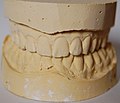 Dental erosion
_no211.jpg)


