Mangal (barbecue)
The Mangal is a traditional Middle Eastern and Central Asian method of barbecue cooking. It is a significant part of the culinary culture in countries such as Turkey, Iran, Azerbaijan, Armenia, Georgia, Afghanistan, Kazakhstan, and Uzbekistan. The term "Mangal" is derived from the Arabic word maṅgāl, which means "portable".
History[edit]
The Mangal has been a part of Middle Eastern and Central Asian culture for centuries. It is believed to have originated in the Nomadic tribes of these regions, who used portable grills to cook their meals while on the move. The tradition of the Mangal has been passed down through generations and is still widely practiced today.
Design and Usage[edit]
The Mangal is typically made from metal and is designed to be portable. It consists of a rectangular or cylindrical body with a grill on top. The grill is where the food is placed to be cooked. The body of the Mangal is filled with charcoal or wood, which is then lit to provide heat for cooking.
The Mangal is used to cook a variety of foods, including meat, vegetables, and bread. The most common type of meat cooked on a Mangal is lamb, although beef, chicken, and fish are also popular. Vegetables such as tomatoes, peppers, and onions are often grilled alongside the meat.
Cultural Significance[edit]
In many cultures, the Mangal is not just a method of cooking, but also a social event. Families and friends gather around the Mangal to share food and enjoy each other's company. In some cultures, it is traditional to sing songs, tell stories, or play games while the food is cooking.
See Also[edit]
References[edit]

-
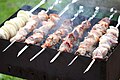 Mangal with grilled shashlik
 -
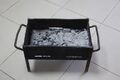 Brazier carrying coals


Medical Disclaimer: WikiMD is for informational purposes only and is not a substitute for professional medical advice. Content may be inaccurate or outdated and should not be used for diagnosis or treatment. Always consult your healthcare provider for medical decisions. Verify information with trusted sources such as CDC.gov and NIH.gov. By using this site, you agree that WikiMD is not liable for any outcomes related to its content. See full disclaimer.
Credits:Most images are courtesy of Wikimedia commons, and templates, categories Wikipedia, licensed under CC BY SA or similar.
Translate page: - East Asian
中文,
日本,
한국어,
South Asian
हिन्दी,
தமிழ்,
తెలుగు,
Urdu,
ಕನ್ನಡ,
Southeast Asian
Indonesian,
Vietnamese,
Thai,
မြန်မာဘာသာ,
বাংলা
European
español,
Deutsch,
français,
Greek,
português do Brasil,
polski,
română,
русский,
Nederlands,
norsk,
svenska,
suomi,
Italian
Middle Eastern & African
عربى,
Turkish,
Persian,
Hebrew,
Afrikaans,
isiZulu,
Kiswahili,
Other
Bulgarian,
Hungarian,
Czech,
Swedish,
മലയാളം,
मराठी,
ਪੰਜਾਬੀ,
ગુજરાતી,
Portuguese,
Ukrainian

