Japonica rice
Japonica rice is a group of short-grain cultivars of Oryza sativa that originated in East Asia, extensively grown in regions such as Japan, Korea, and China. The grains of Japonica rice are rounder, thicker, and harder, compared to the longer, thinner grains of the Indica rice variety.
Characteristics[edit]
Japonica rice grains have a unique stickiness and texture when cooked, which makes them ideal for dishes that require the rice to stick together, such as sushi and onigiri. The rice is also characterized by its sweet and nutty flavor.
Cultivation[edit]
Japonica rice is typically grown in regions with cooler climates, which is why it is extensively cultivated in the northern parts of East Asia. The rice plants are known for their high resistance to cold temperatures.
Varieties[edit]
There are several varieties of Japonica rice, including Koshihikari, Sasanishiki, and Hitomebore. These varieties are popular in Japan and are known for their superior taste and texture.
Uses[edit]
Japonica rice is used in a variety of dishes in East Asian cuisine. It is the primary type of rice used in sushi, and is also used in dishes such as donburi, mochi, and sake.
Health Benefits[edit]
Japonica rice is rich in nutrients such as vitamins, minerals, and fiber. It is also a good source of energy due to its high carbohydrate content.
See Also[edit]
| Agriculture: Crops | ||||||||
|---|---|---|---|---|---|---|---|---|
This crops-related article is a stub. You can help WikiMD by expanding it.
|

-
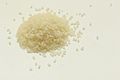 Short-grain japonica rice
 -
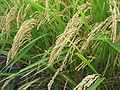 Rice japonica akituho
 -
 Chapssal (glutinous rice)
 -
 Korean aromatic rice
 -
 Black rice
 -
 Green rice
.jpg)

.jpg)


Medical Disclaimer: WikiMD is for informational purposes only and is not a substitute for professional medical advice. Content may be inaccurate or outdated and should not be used for diagnosis or treatment. Always consult your healthcare provider for medical decisions. Verify information with trusted sources such as CDC.gov and NIH.gov. By using this site, you agree that WikiMD is not liable for any outcomes related to its content. See full disclaimer.
Credits:Most images are courtesy of Wikimedia commons, and templates, categories Wikipedia, licensed under CC BY SA or similar.
Translate page: - East Asian
中文,
日本,
한국어,
South Asian
हिन्दी,
தமிழ்,
తెలుగు,
Urdu,
ಕನ್ನಡ,
Southeast Asian
Indonesian,
Vietnamese,
Thai,
မြန်မာဘာသာ,
বাংলা
European
español,
Deutsch,
français,
Greek,
português do Brasil,
polski,
română,
русский,
Nederlands,
norsk,
svenska,
suomi,
Italian
Middle Eastern & African
عربى,
Turkish,
Persian,
Hebrew,
Afrikaans,
isiZulu,
Kiswahili,
Other
Bulgarian,
Hungarian,
Czech,
Swedish,
മലയാളം,
मराठी,
ਪੰਜਾਬੀ,
ગુજરાતી,
Portuguese,
Ukrainian

