Furmint
Furmint is a white grape variety primarily grown in the Tokaj-Hegyalja region of Hungary and Slovakia. It is best known for its contribution to the sweet Tokaji wines but is also used to produce dry wines of increasing popularity.
History[edit]
The origins of Furmint are uncertain, but it is believed to have been introduced to Hungary in the 13th century during the reign of King Béla IV. The grape variety has been grown in the Tokaj-Hegyalja region for centuries and is considered one of the oldest and most traditional varieties in the area.
Viticulture[edit]
Furmint is a late-ripening variety, typically harvested in late October or early November. The grape has a naturally high acidity, which contributes to the longevity and structure of the wines it produces. Furmint is also susceptible to Botrytis cinerea, a fungus that causes noble rot, which is beneficial for the production of sweet Tokaji wines.
Wine Styles[edit]
Furmint is used to produce a range of wine styles, from dry to sweet. Dry Furmint wines are characterized by their high acidity, medium to full body, and flavors of green apple, pear, and lime. Sweet Tokaji wines made from Furmint are rich and complex, with flavors of honey, apricot, and spice.
Regions[edit]
While Furmint is most commonly associated with Hungary and Slovakia, it is also grown in other countries, including Austria, Croatia, and Slovenia. In Hungary, it is primarily grown in the Tokaj-Hegyalja region, where it is used to produce both dry and sweet wines. In Slovakia, Furmint is grown in the Tokaj region, where it is used to produce sweet wines.
Food Pairing[edit]
Furmint wines, both dry and sweet, are versatile when it comes to food pairing. Dry Furmint pairs well with a variety of dishes, including seafood, poultry, and vegetarian dishes. Sweet Tokaji wines made from Furmint are excellent with desserts, particularly those made with fruit or honey.
See Also[edit]


-
 Furmint grape cluster
 -
 Heunisch-weiß grape
 -
 Béla IV bust close up
 -
 Furmint
 -
 Tokaji from Hungary made from Oremus
 -
 MÁD Furmint 2013
 -
 Tokaji valley
 -
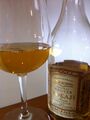 3 puttonyos Tokaji
 -
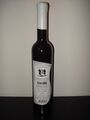 Predikatno vino Moslavac, kasna berba


Medical Disclaimer: WikiMD is for informational purposes only and is not a substitute for professional medical advice. Content may be inaccurate or outdated and should not be used for diagnosis or treatment. Always consult your healthcare provider for medical decisions. Verify information with trusted sources such as CDC.gov and NIH.gov. By using this site, you agree that WikiMD is not liable for any outcomes related to its content. See full disclaimer.
Credits:Most images are courtesy of Wikimedia commons, and templates, categories Wikipedia, licensed under CC BY SA or similar.
Translate page: - East Asian
中文,
日本,
한국어,
South Asian
हिन्दी,
தமிழ்,
తెలుగు,
Urdu,
ಕನ್ನಡ,
Southeast Asian
Indonesian,
Vietnamese,
Thai,
မြန်မာဘာသာ,
বাংলা
European
español,
Deutsch,
français,
Greek,
português do Brasil,
polski,
română,
русский,
Nederlands,
norsk,
svenska,
suomi,
Italian
Middle Eastern & African
عربى,
Turkish,
Persian,
Hebrew,
Afrikaans,
isiZulu,
Kiswahili,
Other
Bulgarian,
Hungarian,
Czech,
Swedish,
മലയാളം,
मराठी,
ਪੰਜਾਬੀ,
ગુજરાતી,
Portuguese,
Ukrainian

