Cubanelle
Cubanelle
The Cubanelle, also known as Cuban pepper or Italian frying pepper, is a variety of sweet pepper that is popular in Cuban, Italian, and Spanish cuisine. Unlike other pepper varieties, the Cubanelle is known for its sweet and mild flavor, which makes it a versatile ingredient in a variety of dishes.
Description[edit]
The Cubanelle pepper is typically 4 to 6 inches in length and is usually picked when it is still in its immature green stage. However, if left to ripen, the pepper will turn a bright red color. The skin of the Cubanelle is smooth and the flesh is thin, making it an ideal pepper for frying.
Culinary Uses[edit]
In Cuban cuisine, the Cubanelle is often used in dishes such as ropa vieja and picadillo. In Italian cuisine, it is commonly used in sausages and pasta dishes. The pepper's mild flavor and thin skin also make it a popular choice for stuffed peppers.
In addition to its culinary uses, the Cubanelle is also valued for its nutritional content. It is a good source of Vitamin C and Vitamin A, and also contains small amounts of calcium, iron, and protein.
Cultivation[edit]
The Cubanelle pepper is a warm season crop that requires a long growing season. It is typically planted in the spring and harvested in the late summer or early fall. The pepper prefers full sun and well-drained soil, and is relatively easy to grow, making it a popular choice for home gardeners.
See Also[edit]
References[edit]
<references />

-
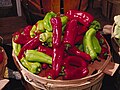 Cubanelle Peppers

Ad. Transform your life with W8MD's
GLP-1 weight loss injections special from $29.99 with insurance
|
WikiMD Medical Encyclopedia |
Medical Disclaimer: WikiMD is for informational purposes only and is not a substitute for professional medical advice. Content may be inaccurate or outdated and should not be used for diagnosis or treatment. Always consult your healthcare provider for medical decisions. Verify information with trusted sources such as CDC.gov and NIH.gov. By using this site, you agree that WikiMD is not liable for any outcomes related to its content. See full disclaimer.
Credits:Most images are courtesy of Wikimedia commons, and templates, categories Wikipedia, licensed under CC BY SA or similar.
Translate this page: - East Asian
中文,
日本,
한국어,
South Asian
हिन्दी,
தமிழ்,
తెలుగు,
Urdu,
ಕನ್ನಡ,
Southeast Asian
Indonesian,
Vietnamese,
Thai,
မြန်မာဘာသာ,
বাংলা
European
español,
Deutsch,
français,
Greek,
português do Brasil,
polski,
română,
русский,
Nederlands,
norsk,
svenska,
suomi,
Italian
Middle Eastern & African
عربى,
Turkish,
Persian,
Hebrew,
Afrikaans,
isiZulu,
Kiswahili,
Other
Bulgarian,
Hungarian,
Czech,
Swedish,
മലയാളം,
मराठी,
ਪੰਜਾਬੀ,
ગુજરાતી,
Portuguese,
Ukrainian
