Anatomy of an Epidemic: Difference between revisions
CSV import |
CSV import |
||
| Line 5: | Line 5: | ||
File:Dopamine_function_before_and_after_antipsychotics.jpg|Dopamine function before and after antipsychotics | File:Dopamine_function_before_and_after_antipsychotics.jpg|Dopamine function before and after antipsychotics | ||
</gallery> | </gallery> | ||
== Anatomy of an Epidemic == | |||
The term "Anatomy of an Epidemic" refers to the comprehensive study and analysis of the factors contributing to the rise and spread of mental health disorders in modern society, particularly in the context of the use of psychiatric medications. This concept has been popularized by discussions around the effectiveness and long-term impact of psychotropic drugs on mental health. | |||
=== Overview === | |||
The concept of "Anatomy of an Epidemic" challenges the conventional understanding of mental health treatment, particularly the reliance on [[psychiatric medication]]s. It suggests that the widespread use of these medications may not only be ineffective in the long term but could also contribute to the increasing prevalence of mental health disorders. | |||
=== Historical Context === | |||
The rise of psychiatric medications began in the mid-20th century with the introduction of [[antipsychotic]]s, [[antidepressant]]s, and [[anxiolytic]]s. These drugs were initially hailed as breakthroughs in the treatment of mental illness, leading to a significant shift in psychiatric practice from [[psychotherapy]] to pharmacotherapy. | |||
=== Key Concepts === | |||
==== Psychiatric Medications ==== | |||
Psychiatric medications are drugs used to treat mental health disorders. They include several classes such as antipsychotics, antidepressants, mood stabilizers, and anxiolytics. These medications are designed to alter brain chemistry to alleviate symptoms of mental illness. | |||
==== Long-term Effects ==== | |||
One of the central arguments in the "Anatomy of an Epidemic" is the examination of the long-term effects of psychiatric medications. Critics argue that while these drugs may provide short-term relief, they can lead to chronic illness, dependency, and a worsening of symptoms over time. | |||
==== Alternative Approaches ==== | |||
The discussion around "Anatomy of an Epidemic" also explores alternative approaches to mental health treatment. These include [[psychotherapy]], lifestyle changes, and community-based support systems that focus on holistic and integrative care. | |||
=== Implications for Mental Health Policy === | |||
The analysis of the "Anatomy of an Epidemic" has significant implications for mental health policy. It calls for a reevaluation of current treatment protocols and encourages the development of policies that prioritize patient-centered care and the exploration of non-pharmacological interventions. | |||
== Related Pages == | |||
* [[Psychiatric medication]] | |||
* [[Mental health]] | |||
* [[Psychotherapy]] | |||
* [[Antidepressant]] | |||
* [[Antipsychotic]] | |||
{{Mental health}} | |||
[[Category:Mental health]] | |||
[[Category:Psychiatry]] | |||
Latest revision as of 00:40, 19 February 2025
Anatomy of an Epidemic[edit]
-
Cover of "Anatomy of an Epidemic"
-
 SSDI and SSI trends from 1987 to 2003
 -
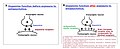 Dopamine function before and after antipsychotics


Anatomy of an Epidemic[edit]
The term "Anatomy of an Epidemic" refers to the comprehensive study and analysis of the factors contributing to the rise and spread of mental health disorders in modern society, particularly in the context of the use of psychiatric medications. This concept has been popularized by discussions around the effectiveness and long-term impact of psychotropic drugs on mental health.
Overview[edit]
The concept of "Anatomy of an Epidemic" challenges the conventional understanding of mental health treatment, particularly the reliance on psychiatric medications. It suggests that the widespread use of these medications may not only be ineffective in the long term but could also contribute to the increasing prevalence of mental health disorders.
Historical Context[edit]
The rise of psychiatric medications began in the mid-20th century with the introduction of antipsychotics, antidepressants, and anxiolytics. These drugs were initially hailed as breakthroughs in the treatment of mental illness, leading to a significant shift in psychiatric practice from psychotherapy to pharmacotherapy.
Key Concepts[edit]
Psychiatric Medications[edit]
Psychiatric medications are drugs used to treat mental health disorders. They include several classes such as antipsychotics, antidepressants, mood stabilizers, and anxiolytics. These medications are designed to alter brain chemistry to alleviate symptoms of mental illness.
Long-term Effects[edit]
One of the central arguments in the "Anatomy of an Epidemic" is the examination of the long-term effects of psychiatric medications. Critics argue that while these drugs may provide short-term relief, they can lead to chronic illness, dependency, and a worsening of symptoms over time.
Alternative Approaches[edit]
The discussion around "Anatomy of an Epidemic" also explores alternative approaches to mental health treatment. These include psychotherapy, lifestyle changes, and community-based support systems that focus on holistic and integrative care.
Implications for Mental Health Policy[edit]
The analysis of the "Anatomy of an Epidemic" has significant implications for mental health policy. It calls for a reevaluation of current treatment protocols and encourages the development of policies that prioritize patient-centered care and the exploration of non-pharmacological interventions.
Related Pages[edit]

