Polyphenol
Polyphenols are a structural class of mainly natural, but also synthetic or semisynthetic, organic chemicals characterized by the presence of large multiples of phenol structural units. The number and characteristics of these phenol structures underlie the unique physical, chemical, and biological (metabolic, toxic, therapeutic, etc.) properties of particular members of the class.
Classification[edit]
Polyphenols are divided into two main groups: Flavonoids and Non-flavonoids. Flavonoids include flavonols, flavones, flavanones, flavan-3-ols, anthocyanidins, and isoflavonoids. Non-flavonoids include stilbenes, lignans, and phenolic acids.
Sources[edit]
Polyphenols are found in a wide variety of plants. They are most abundant in fruits, vegetables, whole grains, tea, chocolate, and wine.
Health effects[edit]
Research suggests that long-term consumption of diets rich in plant polyphenols offer protection against development of cancers, cardiovascular diseases, diabetes, osteoporosis and neurodegenerative diseases.
See also[edit]

This WikiMD article can only be edited by registered and verified editors. You can log in or register.
-
 Tannic acid structure
 -
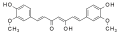 Curcumin structure
 -
 Ellagic acid structure
 -
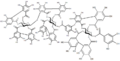 Raspberry ellagitannin
 -
 Theaflavin 3-gallate structure
 -
 Puerarin structure
 -
 Tellimagrandin II structure
 -
 Polyphenol


Advertise on WikiMD — 81,000+ full articles, ~900,000 total pages, ~250 million page views. Global reach, limited time promotional rates from $1/page/day. Learn more · View stats


Translate page: - East Asian
中文,
日本,
한국어,
South Asian
हिन्दी,
தமிழ்,
తెలుగు,
Urdu,
ಕನ್ನಡ,
Southeast Asian
Indonesian,
Vietnamese,
Thai,
မြန်မာဘာသာ,
বাংলা
European
español,
Deutsch,
français,
Greek,
português do Brasil,
polski,
română,
русский,
Nederlands,
norsk,
svenska,
suomi,
Italian
Middle Eastern & African
عربى,
Turkish,
Persian,
Hebrew,
Afrikaans,
isiZulu,
Kiswahili,
Other
Bulgarian,
Hungarian,
Czech,
Swedish,
മലയാളം,
मराठी,
ਪੰਜਾਬੀ,
ગુજરાતી,
Portuguese,
Ukrainian
About WikiMD • Contact • Disclaimer • Privacy • Copyright • Site statistics
Some content and images may originate from Wikimedia Commons or Wikipedia and remain subject to their stated licenses. Unless otherwise noted, eligible WikiMD content is available under CC BY-SA 4.0.
WikiMD Wellnesspedia — Free health & wellness information for patients, students, and health professionals.

