Maccu
Maccu is a traditional Sicilian dish made from dried and crushed fava beans. It is often served as a soup, but can also be used as a sauce or spread. The dish is particularly popular during the winter months and is a staple of the Sicilian diet.
History[edit]
Maccu has a long history in Sicily, dating back to the time of the Roman Empire. The dish was originally made by the poor, who would use leftover fava beans to create a hearty and filling meal. Over time, maccu has become a beloved part of Sicilian cuisine, enjoyed by people of all social classes.
Preparation[edit]
To prepare maccu, dried fava beans are soaked overnight and then boiled until they become soft. The beans are then crushed into a paste, which forms the base of the dish. Traditional recipes often include ingredients such as olive oil, garlic, and fennel. However, the dish can be customized to suit individual tastes, with some variations including ingredients like tomato, onion, and parsley.
Serving[edit]
Maccu can be served in a variety of ways. As a soup, it is typically served hot, often with a drizzle of olive oil and a sprinkle of black pepper. When used as a sauce, maccu can be served over pasta or used as a spread on bread. The dish is also commonly served during the Lent season, as it is a suitable meal for those observing the religious practice of abstaining from meat.
Cultural Significance[edit]
In addition to its role as a staple food, maccu also holds cultural significance in Sicily. The dish is often prepared for special occasions and celebrations, and is a common feature of the traditional Sicilian Christmas meal. Furthermore, maccu is often associated with the concept of cucina povera, or "poor kitchen", a style of cooking that emphasizes simplicity and the use of inexpensive, readily available ingredients.
|
History |
|---|
|
Regional cuisines |
|
Lists |
|
See also |

-
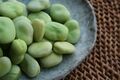 Broad beans after cooking


Medical Disclaimer: WikiMD is for informational purposes only and is not a substitute for professional medical advice. Content may be inaccurate or outdated and should not be used for diagnosis or treatment. Always consult your healthcare provider for medical decisions. Verify information with trusted sources such as CDC.gov and NIH.gov. By using this site, you agree that WikiMD is not liable for any outcomes related to its content. See full disclaimer.
Credits:Most images are courtesy of Wikimedia commons, and templates, categories Wikipedia, licensed under CC BY SA or similar.
Translate page: - East Asian
中文,
日本,
한국어,
South Asian
हिन्दी,
தமிழ்,
తెలుగు,
Urdu,
ಕನ್ನಡ,
Southeast Asian
Indonesian,
Vietnamese,
Thai,
မြန်မာဘာသာ,
বাংলা
European
español,
Deutsch,
français,
Greek,
português do Brasil,
polski,
română,
русский,
Nederlands,
norsk,
svenska,
suomi,
Italian
Middle Eastern & African
عربى,
Turkish,
Persian,
Hebrew,
Afrikaans,
isiZulu,
Kiswahili,
Other
Bulgarian,
Hungarian,
Czech,
Swedish,
മലയാളം,
मराठी,
ਪੰਜਾਬੀ,
ગુજરાતી,
Portuguese,
Ukrainian

