Latin American cuisine
Overview of Latin American cuisine
Overview[edit]
Latin American cuisine is a vibrant and diverse culinary tradition that encompasses the cooking styles and dishes of the countries in Central America, South America, and the Caribbean. This cuisine is characterized by its use of fresh ingredients, bold flavors, and a variety of cooking techniques that reflect the region's rich cultural history.
Historical Influences[edit]
The culinary traditions of Latin America have been shaped by a variety of influences, including indigenous cultures, European colonization, African heritage, and Asian immigration. The indigenous peoples of the Americas contributed staples such as maize, potatoes, beans, and chili peppers. The arrival of the Spanish and Portuguese introduced new ingredients like rice, wheat, and livestock. African slaves brought with them culinary techniques and ingredients that have become integral to the region's cuisine.
Regional Variations[edit]
Latin American cuisine varies significantly from one region to another, reflecting the diverse climates, cultures, and histories of the area.
Mexican Cuisine[edit]
Mexican cuisine is known for its bold flavors and use of spices. Key ingredients include corn, beans, avocado, tomatoes, and chocolate. Popular dishes include tacos, enchiladas, and mole sauce.
Caribbean Cuisine[edit]
The Caribbean is famous for its fusion of flavors, combining African, European, and indigenous influences. Common ingredients include plantains, coconut, seafood, and tropical fruits. Dishes such as jerk chicken and rice and peas are staples.
Andean Cuisine[edit]
The Andean region is known for its use of potatoes, quinoa, and corn. Traditional dishes include ceviche, empanadas, and ajiaco. The cuisine reflects the high-altitude environment and indigenous heritage.
Brazilian Cuisine[edit]
Brazilian cuisine is diverse, with influences from Portuguese, African, and indigenous cultures. Key dishes include feijoada, pão de queijo, and brigadeiro. The use of cassava, tropical fruits, and seafood is prevalent.
Common Ingredients[edit]
Latin American cuisine utilizes a wide range of ingredients that are often fresh and locally sourced. Some of the most common ingredients include:
- Corn: Used in tortillas, tamales, and arepas.
- Beans: A staple in many dishes, providing protein and flavor.
- Chili peppers: Used to add heat and flavor to dishes.
- Avocado: Often used in salads, guacamole, and as a garnish.
- Cilantro: A common herb used for seasoning.
- Lime: Frequently used to add acidity and freshness.
Cooking Techniques[edit]
Latin American cooking employs a variety of techniques, including grilling, frying, and stewing. Traditional methods such as cooking in banana leaves or using clay pots are still practiced in many areas.
Cultural Significance[edit]
Food plays a central role in Latin American culture, often associated with family gatherings, celebrations, and religious events. Meals are seen as a time to connect with loved ones and celebrate cultural heritage.
Related Pages[edit]
- Mexican cuisine
- Caribbean cuisine
- Brazilian cuisine
- Andean cuisine
- Indigenous cuisine of the Americas
Latin American cuisine[edit]
-
 Asado uruguayo
 -
 Cuban food
 -
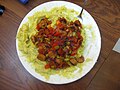 Mangú with Veggie Meat
 -
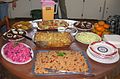 Latin American cuisine
 -
 Arroz con gandules
 -
 Gallo Pinto at breakfast
 -
 Plain pupusas revueltas
 -
 Fiambre
 -
Fishyyojoa
-
 Baho
Baho -
 Huevitos de Leche, Bocadillos y manjar Blancos
 -
 Chile en nogada
 -
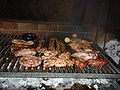 Argentinean asado


.jpg)


Ad. Transform your health with W8MD Weight Loss, Sleep & MedSpa

Tired of being overweight?
Affordable GLP-1 weight loss medications
- Semaglutide starting from $29.99/week and up with insurance for visit.
- Tirzepatide starting from $45.00/week and up (dose dependent)
✔ Same-week appointments, evenings & weekends
Learn more:
Start your transformation today with W8MD weight loss centers.
|
WikiMD Medical Encyclopedia |
Medical Disclaimer: WikiMD is for informational purposes only and is not a substitute for professional medical advice. Content may be inaccurate or outdated and should not be used for diagnosis or treatment. Always consult your healthcare provider for medical decisions. Verify information with trusted sources such as CDC.gov and NIH.gov. By using this site, you agree that WikiMD is not liable for any outcomes related to its content. See full disclaimer.
Credits:Most images are courtesy of Wikimedia commons, and templates, categories Wikipedia, licensed under CC BY SA or similar.
Translate this page: - East Asian
中文,
日本,
한국어,
South Asian
हिन्दी,
தமிழ்,
తెలుగు,
Urdu,
ಕನ್ನಡ,
Southeast Asian
Indonesian,
Vietnamese,
Thai,
မြန်မာဘာသာ,
বাংলা
European
español,
Deutsch,
français,
Greek,
português do Brasil,
polski,
română,
русский,
Nederlands,
norsk,
svenska,
suomi,
Italian
Middle Eastern & African
عربى,
Turkish,
Persian,
Hebrew,
Afrikaans,
isiZulu,
Kiswahili,
Other
Bulgarian,
Hungarian,
Czech,
Swedish,
മലയാളം,
मराठी,
ਪੰਜਾਬੀ,
ગુજરાતી,
Portuguese,
Ukrainian

