Rhubarb tart
Rhubarb Tart is a popular dessert dish that originates from Europe, particularly the United Kingdom. It is made primarily from rhubarb, a plant with a unique tart flavor, and a pastry base.
Ingredients
The main ingredient in a Rhubarb Tart is rhubarb, a perennial plant with long, thick, red stalks and large, green leaves. The stalks are the only part of the plant that are used in cooking, as the leaves contain high levels of oxalic acid, which is toxic.
The other key ingredient is the pastry base. This is typically made from flour, butter, and water, although some recipes may also include sugar or eggs. The pastry is rolled out and used to line a tart tin, providing a crisp, buttery casing for the rhubarb filling.
Preparation
To prepare a Rhubarb Tart, the rhubarb stalks are first trimmed and cut into pieces. These are then stewed with sugar until they break down into a thick, sweet-tart compote. This compote is then poured into the prepared pastry base and baked until the pastry is golden and the filling is bubbling.
Some variations of Rhubarb Tart may also include a topping of crumble, adding an extra layer of texture and flavor. This is typically made from a mixture of flour, butter, and sugar, which is sprinkled over the top of the tart before baking.
Serving
Rhubarb Tart is typically served warm, often with a side of cream or custard. The tartness of the rhubarb is balanced by the sweetness of the sugar and the richness of the pastry, making for a dessert that is both refreshing and satisfying.
Cultural Significance
Rhubarb Tart is particularly popular in the United Kingdom, where rhubarb has been grown for culinary use since the 18th century. It is often associated with the spring and early summer, when rhubarb is in season.
| British cuisine |
|---|
 |
| National cuisines |
| Regional cuisines |
| Overseas/Fusion cuisine |
| People |

-
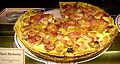 Rhubarb tart

Ad. Transform your life with W8MD's
GLP-1 weight loss injections special from $29.99 with insurance
|
WikiMD Medical Encyclopedia |
Medical Disclaimer: WikiMD is for informational purposes only and is not a substitute for professional medical advice. Content may be inaccurate or outdated and should not be used for diagnosis or treatment. Always consult your healthcare provider for medical decisions. Verify information with trusted sources such as CDC.gov and NIH.gov. By using this site, you agree that WikiMD is not liable for any outcomes related to its content. See full disclaimer.
Credits:Most images are courtesy of Wikimedia commons, and templates, categories Wikipedia, licensed under CC BY SA or similar.
Translate this page: - East Asian
中文,
日本,
한국어,
South Asian
हिन्दी,
தமிழ்,
తెలుగు,
Urdu,
ಕನ್ನಡ,
Southeast Asian
Indonesian,
Vietnamese,
Thai,
မြန်မာဘာသာ,
বাংলা
European
español,
Deutsch,
français,
Greek,
português do Brasil,
polski,
română,
русский,
Nederlands,
norsk,
svenska,
suomi,
Italian
Middle Eastern & African
عربى,
Turkish,
Persian,
Hebrew,
Afrikaans,
isiZulu,
Kiswahili,
Other
Bulgarian,
Hungarian,
Czech,
Swedish,
മലയാളം,
मराठी,
ਪੰਜਾਬੀ,
ગુજરાતી,
Portuguese,
Ukrainian
