Suicide: Difference between revisions
CSV import Tags: mobile edit mobile web edit |
No edit summary |
||
| Line 1: | Line 1: | ||
== Suicide == | == Suicide == | ||
'''Suicide''' is the act of intentionally causing one's own death. It is a significant public health issue, affecting individuals, families, and communities worldwide. Suicide is often the result of a complex interplay of psychological, social, and environmental factors. | '''Suicide''' is the act of intentionally causing one's own death. It is a significant public health issue, affecting individuals, families, and communities worldwide. Suicide is often the result of a complex interplay of psychological, social, and environmental factors. | ||
| Line 20: | Line 18: | ||
== Prevention == | == Prevention == | ||
Suicide prevention involves a range of strategies aimed at reducing the risk of suicide. These include: | Suicide prevention involves a range of strategies aimed at reducing the risk of suicide. These include: | ||
| Line 45: | Line 41: | ||
Treatment for individuals at risk of suicide often involves a combination of [[psychotherapy]], medication, and support from family and friends. Cognitive-behavioral therapy (CBT) and dialectical behavior therapy (DBT) are effective forms of psychotherapy for reducing suicidal thoughts and behaviors. | Treatment for individuals at risk of suicide often involves a combination of [[psychotherapy]], medication, and support from family and friends. Cognitive-behavioral therapy (CBT) and dialectical behavior therapy (DBT) are effective forms of psychotherapy for reducing suicidal thoughts and behaviors. | ||
== Gallery == | |||
<gallery> | |||
File:Édouard_Manet_-_Le_Suicidé_(ca._1877).jpg|Suicide | |||
File:BDNF_NT4.png|Suicide | |||
File:Lotte_an_Werthers_Grabmal.jpg|Suicide | |||
File:72nd_Shinbu_1945_Kamikaze.jpg|Suicide | |||
File:The_Drunkard's_Progress_1846.jpg|Suicide | |||
File:Suicide_prevention_sign_on_the_Golden_Gate_Bridge_2.jpg|Suicide | |||
File:Crisis_Counseling_at_Golden_Gate_Bridge.jpg|Suicide | |||
File:Tromsøbrua_suicide_prevention_fence_2008-06-28_(cropped).jpg|Suicide | |||
File:Richmond_Hotel_Premier_Asakusa_International_breakfast_buffet_20160503-001.jpg|Suicide | |||
File:Richmond_Hotel_Premier_Tokyo_Oshiage_5F_Sizzler_breakfast_buffet_20160221-001.jpg|Suicide | |||
File:Caringletter.jpg|Suicide | |||
File:2010_suicide_rates_-_gun_versus_non-gun_-_high-income_countries.png|Suicide | |||
</gallery> | |||
== Related Pages == | == Related Pages == | ||
Revision as of 17:52, 18 February 2025
Suicide
Suicide is the act of intentionally causing one's own death. It is a significant public health issue, affecting individuals, families, and communities worldwide. Suicide is often the result of a complex interplay of psychological, social, and environmental factors.
Epidemiology
Suicide is a leading cause of death globally, with over 700,000 people dying by suicide each year. It is the fourth leading cause of death among 15-29-year-olds. The World Health Organization (WHO) reports that for every suicide, there are many more people who attempt suicide.
Risk Factors
Several factors can increase the risk of suicide, including:
- Mental disorders such as depression, bipolar disorder, schizophrenia, and substance use disorders.
- A history of trauma or abuse.
- Major life changes or stressors, such as the loss of a loved one, divorce, or financial difficulties.
- A family history of suicide.
- Access to means of suicide, such as firearms or medications.
Prevention
Suicide prevention involves a range of strategies aimed at reducing the risk of suicide. These include:
- Promoting mental health awareness and reducing the stigma associated with mental illness.
- Providing support and treatment for individuals with mental health conditions.
- Implementing community-based programs that promote social connectedness and resilience.
- Restricting access to means of suicide, such as firearms and toxic substances.
- Training healthcare providers to recognize and respond to signs of suicidal behavior.
Warning Signs
Recognizing the warning signs of suicide can help prevent it. These signs may include:
- Talking about wanting to die or to kill oneself.
- Expressing feelings of hopelessness or having no reason to live.
- Withdrawing from friends, family, and activities.
- Displaying extreme mood swings.
- Giving away prized possessions.
Treatment and Support
Treatment for individuals at risk of suicide often involves a combination of psychotherapy, medication, and support from family and friends. Cognitive-behavioral therapy (CBT) and dialectical behavior therapy (DBT) are effective forms of psychotherapy for reducing suicidal thoughts and behaviors.
Gallery
-
 Suicide
 -
 Suicide
 -
 Suicide
 -
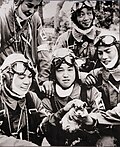 Suicide
 -
 Suicide
 -
 Suicide
 -
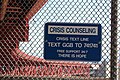 Suicide
 -
 Suicide
 -
 Suicide
 -
 Suicide
 -
 Suicide
 -
 Suicide
.jpg)


.jpg)


Related Pages
