Adult development: Difference between revisions
CSV import |
CSV import |
||
| Line 8: | Line 8: | ||
File:Nursing_home.JPG|Nursing home | File:Nursing_home.JPG|Nursing home | ||
</gallery> | </gallery> | ||
== Adult Development == | |||
'''Adult development''' refers to the biological, psychological, and social changes that occur in human beings between the ages of 18 and the end of life. It is a complex process that encompasses a wide range of changes and adaptations as individuals progress through different stages of adulthood. | |||
== Biological Changes == | |||
During adulthood, individuals experience various [[biological]] changes. These changes can include the gradual decline in physical capabilities, such as reduced [[muscle mass]], decreased [[bone density]], and changes in [[metabolism]]. The [[aging process]] also affects the [[cardiovascular system]], [[respiratory system]], and [[immune system]]. | |||
=== Early Adulthood === | |||
In early adulthood, which spans from approximately 18 to 40 years of age, individuals typically reach their peak physical performance. [[Physical fitness]], [[reproductive health]], and [[cognitive function]] are generally at their highest levels during this period. | |||
=== Middle Adulthood === | |||
Middle adulthood, from about 40 to 65 years, is characterized by the onset of [[menopause]] in women and a gradual decline in [[testosterone]] levels in men. This stage often involves the beginning of [[age-related diseases]] such as [[hypertension]] and [[type 2 diabetes]]. | |||
=== Late Adulthood === | |||
Late adulthood, which begins around age 65, involves more pronounced biological changes. [[Sarcopenia]], [[osteoporosis]], and [[cognitive decline]] are common. The risk of [[chronic diseases]] increases, and [[longevity]] becomes a significant focus. | |||
== Psychological Changes == | |||
Psychological development in adulthood involves changes in [[cognitive abilities]], [[emotional regulation]], and [[identity formation]]. | |||
=== Cognitive Development === | |||
While some cognitive abilities, such as [[processing speed]] and [[working memory]], may decline with age, others, like [[crystallized intelligence]], often remain stable or even improve. Adults continue to develop [[problem-solving skills]] and [[wisdom]]. | |||
=== Emotional Development === | |||
Adults typically experience improved [[emotional regulation]] and greater [[empathy]]. The development of a stable [[self-concept]] and [[self-esteem]] is crucial during this period. | |||
=== Identity and Personality === | |||
[[Erik Erikson]] proposed that adults face the challenge of [[generativity vs. stagnation]], where they strive to contribute to society and support future generations. [[Personality traits]] may become more stable, but significant life events can still lead to changes. | |||
== Social Changes == | |||
Social development in adulthood involves changes in [[relationships]], [[family dynamics]], and [[social roles]]. | |||
=== Relationships === | |||
Adults form and maintain [[intimate relationships]], including [[marriage]] and [[partnerships]]. The quality of these relationships can significantly impact [[mental health]] and [[well-being]]. | |||
=== Family Dynamics === | |||
Adults often take on roles as [[parents]] or [[caregivers]]. The [[parenting]] experience can influence personal growth and development. | |||
=== Career and Work === | |||
Career development is a significant aspect of adult life. Adults may experience [[career advancement]], [[job satisfaction]], and [[retirement planning]]. | |||
== Related Pages == | |||
* [[Human development]] | |||
* [[Aging]] | |||
* [[Lifespan development]] | |||
* [[Gerontology]] | |||
{{Human development}} | |||
[[Category:Developmental psychology]] | |||
[[Category:Human development]] | |||
Latest revision as of 00:41, 19 February 2025
-
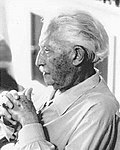 Erik Erikson
 -
 Older adults
 -
 Concerned older adult
 -
 Older adult exercising with tin can
 -
 Tai Chi exercises in Malacca
 -
 Taste testing cookie dough with grandmother
 -
 Nursing home


.jpg)

.JPG)


Adult Development[edit]
Adult development refers to the biological, psychological, and social changes that occur in human beings between the ages of 18 and the end of life. It is a complex process that encompasses a wide range of changes and adaptations as individuals progress through different stages of adulthood.
Biological Changes[edit]
During adulthood, individuals experience various biological changes. These changes can include the gradual decline in physical capabilities, such as reduced muscle mass, decreased bone density, and changes in metabolism. The aging process also affects the cardiovascular system, respiratory system, and immune system.
Early Adulthood[edit]
In early adulthood, which spans from approximately 18 to 40 years of age, individuals typically reach their peak physical performance. Physical fitness, reproductive health, and cognitive function are generally at their highest levels during this period.
Middle Adulthood[edit]
Middle adulthood, from about 40 to 65 years, is characterized by the onset of menopause in women and a gradual decline in testosterone levels in men. This stage often involves the beginning of age-related diseases such as hypertension and type 2 diabetes.
Late Adulthood[edit]
Late adulthood, which begins around age 65, involves more pronounced biological changes. Sarcopenia, osteoporosis, and cognitive decline are common. The risk of chronic diseases increases, and longevity becomes a significant focus.
Psychological Changes[edit]
Psychological development in adulthood involves changes in cognitive abilities, emotional regulation, and identity formation.
Cognitive Development[edit]
While some cognitive abilities, such as processing speed and working memory, may decline with age, others, like crystallized intelligence, often remain stable or even improve. Adults continue to develop problem-solving skills and wisdom.
Emotional Development[edit]
Adults typically experience improved emotional regulation and greater empathy. The development of a stable self-concept and self-esteem is crucial during this period.
Identity and Personality[edit]
Erik Erikson proposed that adults face the challenge of generativity vs. stagnation, where they strive to contribute to society and support future generations. Personality traits may become more stable, but significant life events can still lead to changes.
Social Changes[edit]
Social development in adulthood involves changes in relationships, family dynamics, and social roles.
Relationships[edit]
Adults form and maintain intimate relationships, including marriage and partnerships. The quality of these relationships can significantly impact mental health and well-being.
Family Dynamics[edit]
Adults often take on roles as parents or caregivers. The parenting experience can influence personal growth and development.
Career and Work[edit]
Career development is a significant aspect of adult life. Adults may experience career advancement, job satisfaction, and retirement planning.
Related Pages[edit]
| Development of the human body | ||||||||
|---|---|---|---|---|---|---|---|---|
|
