Lanthanide: Difference between revisions
CSV import Tags: Manual revert mobile edit mobile web edit |
CSV import |
||
| (2 intermediate revisions by the same user not shown) | |||
| Line 1: | Line 1: | ||
Lanthanide | |||
The lanthanides, also known as the lanthanoids, are a series of chemical elements in the periodic table with atomic numbers from 57 to 71, from lanthanum through to lutetium. These elements, along with scandium and yttrium, are often collectively known as the rare earth elements. | |||
==Properties== | |||
Lanthanides are characterized by their high atomic and ionic sizes, and they exhibit a +3 oxidation state in most of their compounds. They are known for their magnetic, catalytic, and luminescent properties, which make them valuable in various technological applications. | |||
===Physical Properties=== | |||
Lanthanides are typically silvery-white metals that are soft and malleable. They have high melting and boiling points, and they are good conductors of electricity. The lanthanides are known for their ability to form alloys with other metals, enhancing the properties of the base metal. | |||
===Chemical Properties=== | |||
The lanthanides are highly reactive, especially when finely divided or in the presence of moisture. They readily oxidize in air, forming a tarnish. The reactivity of lanthanides increases with atomic number, and they can react with water to form hydroxides and hydrogen gas. | |||
==Applications== | |||
== See | Lanthanides have a wide range of applications due to their unique properties. They are used in the production of strong permanent magnets, phosphors for color television tubes and LED lights, catalysts in petroleum refining, and in various other high-tech applications. | ||
* [[ | |||
===Magnets=== | |||
Neodymium, a lanthanide, is used to make powerful permanent magnets, which are essential components in many electronic devices, including hard drives, wind turbines, and electric vehicle motors. | |||
===Phosphors=== | |||
Lanthanides such as europium and terbium are used in phosphors that emit red and green light, respectively. These phosphors are crucial in the manufacturing of color displays and LED lighting. | |||
===Catalysts=== | |||
Lanthanides are used as catalysts in various industrial processes, including the cracking of crude oil in petroleum refineries. Cerium, in particular, is used in catalytic converters to reduce emissions from vehicles. | |||
==Biological Role== | |||
Lanthanides have no known biological role in humans, but they are used in some medical applications. For example, gadolinium is used as a contrast agent in magnetic resonance imaging (MRI) due to its paramagnetic properties. | |||
==Environmental Impact== | |||
The mining and processing of lanthanides can have significant environmental impacts, including habitat destruction and pollution. Efforts are being made to develop more sustainable methods of extraction and recycling of these elements. | |||
==See Also== | |||
* [[Rare earth element]] | |||
* [[Periodic table]] | * [[Periodic table]] | ||
* [[ | * [[Magnetic resonance imaging]] | ||
== | ==External Links== | ||
* [Lanthanide Series on Wikipedia](https://en.wikipedia.org/wiki/Lanthanide) | |||
{{Chemistry}} | |||
[[Category:Chemical elements]] | [[Category:Chemical elements]] | ||
[[Category:Lanthanides]] | [[Category:Lanthanides]] | ||
[[Category: | [[Category:Rare earth elements]] | ||
== Lanthanide == | |||
<gallery> | |||
File:Lanthanum-2.jpg|Lanthanum | |||
File:Cerium2.jpg|Cerium | |||
File:Praseodymium.jpg|Praseodymium | |||
File:Neodymium2.jpg|Neodymium | |||
File:Promethium.png|Promethium | |||
File:Samarium-2.jpg|Samarium | |||
File:Europium.jpg|Europium | |||
File:Gadolinium-4.jpg|Gadolinium | |||
File:Terbium-2.jpg|Terbium | |||
File:Dy_chips.jpg|Dysprosium | |||
File:Holmium2.jpg|Holmium | |||
File:Erbium-crop.jpg|Erbium | |||
</gallery> | |||
Latest revision as of 21:10, 23 February 2025
Lanthanide
The lanthanides, also known as the lanthanoids, are a series of chemical elements in the periodic table with atomic numbers from 57 to 71, from lanthanum through to lutetium. These elements, along with scandium and yttrium, are often collectively known as the rare earth elements.
Properties[edit]
Lanthanides are characterized by their high atomic and ionic sizes, and they exhibit a +3 oxidation state in most of their compounds. They are known for their magnetic, catalytic, and luminescent properties, which make them valuable in various technological applications.
Physical Properties[edit]
Lanthanides are typically silvery-white metals that are soft and malleable. They have high melting and boiling points, and they are good conductors of electricity. The lanthanides are known for their ability to form alloys with other metals, enhancing the properties of the base metal.
Chemical Properties[edit]
The lanthanides are highly reactive, especially when finely divided or in the presence of moisture. They readily oxidize in air, forming a tarnish. The reactivity of lanthanides increases with atomic number, and they can react with water to form hydroxides and hydrogen gas.
Applications[edit]
Lanthanides have a wide range of applications due to their unique properties. They are used in the production of strong permanent magnets, phosphors for color television tubes and LED lights, catalysts in petroleum refining, and in various other high-tech applications.
Magnets[edit]
Neodymium, a lanthanide, is used to make powerful permanent magnets, which are essential components in many electronic devices, including hard drives, wind turbines, and electric vehicle motors.
Phosphors[edit]
Lanthanides such as europium and terbium are used in phosphors that emit red and green light, respectively. These phosphors are crucial in the manufacturing of color displays and LED lighting.
Catalysts[edit]
Lanthanides are used as catalysts in various industrial processes, including the cracking of crude oil in petroleum refineries. Cerium, in particular, is used in catalytic converters to reduce emissions from vehicles.
Biological Role[edit]
Lanthanides have no known biological role in humans, but they are used in some medical applications. For example, gadolinium is used as a contrast agent in magnetic resonance imaging (MRI) due to its paramagnetic properties.
Environmental Impact[edit]
The mining and processing of lanthanides can have significant environmental impacts, including habitat destruction and pollution. Efforts are being made to develop more sustainable methods of extraction and recycling of these elements.
See Also[edit]
External Links[edit]
- [Lanthanide Series on Wikipedia](https://en.wikipedia.org/wiki/Lanthanide)
| Branches of chemistry | ||||||||||
|---|---|---|---|---|---|---|---|---|---|---|
|
Lanthanide[edit]
-
 Lanthanum
 -
 Cerium
 -
 Praseodymium
 -
 Neodymium
 -
 Promethium
 -
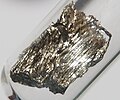 Samarium
 -
 Europium
 -
 Gadolinium
 -
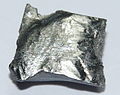 Terbium
 -
 Dysprosium
 -
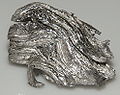 Holmium
 -
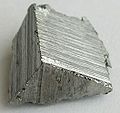 Erbium


