Rosmarinic acid
Rosmarinic acid is a chemical compound found in a variety of plants. It is a polyphenol with antioxidant, anti-inflammatory, and antimicrobial properties.
Chemical Structure[edit]
Rosmarinic acid is an ester of caffeic acid and 3,4-dihydroxyphenyllactic acid. It is a member of the class of compounds known as phenylpropanoids, which are aromatic compounds containing a phenylpropanoid moiety.
Sources[edit]
Rosmarinic acid is found in several plants including rosemary (Rosmarinus officinalis), lemon balm (Melissa officinalis), oregano (Origanum vulgare), thyme (Thymus vulgaris), sage (Salvia officinalis), and peppermint (Mentha x piperita).
Health Benefits[edit]
Rosmarinic acid has been studied for its potential health benefits. It has antioxidant properties, meaning it can neutralize harmful free radicals in the body. It also has anti-inflammatory properties, which can help reduce inflammation and pain. Additionally, it has antimicrobial properties, meaning it can kill or inhibit the growth of bacteria and other microorganisms.
Potential Uses[edit]
Due to its health benefits, rosmarinic acid is used in a variety of applications. It is used as a natural preservative in food and cosmetics. It is also used in dietary supplements for its potential health benefits. In addition, it is being studied for its potential use in treating a variety of health conditions, including cancer, diabetes, and neurodegenerative diseases.
Safety and Side Effects[edit]
While rosmarinic acid is generally considered safe, it can cause side effects in some people. These can include allergic reactions, stomach upset, and increased sensitivity to sunlight. It is recommended to consult a healthcare provider before starting any new supplement regimen.
See Also[edit]
-
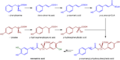 Rosmarinic acid biosynthesis


Medical Disclaimer: WikiMD is for informational purposes only and is not a substitute for professional medical advice. Content may be inaccurate or outdated and should not be used for diagnosis or treatment. Always consult your healthcare provider for medical decisions. Verify information with trusted sources such as CDC.gov and NIH.gov. By using this site, you agree that WikiMD is not liable for any outcomes related to its content. See full disclaimer.
Credits:Most images are courtesy of Wikimedia commons, and templates, categories Wikipedia, licensed under CC BY SA or similar.
Translate page: - East Asian
中文,
日本,
한국어,
South Asian
हिन्दी,
தமிழ்,
తెలుగు,
Urdu,
ಕನ್ನಡ,
Southeast Asian
Indonesian,
Vietnamese,
Thai,
မြန်မာဘာသာ,
বাংলা
European
español,
Deutsch,
français,
Greek,
português do Brasil,
polski,
română,
русский,
Nederlands,
norsk,
svenska,
suomi,
Italian
Middle Eastern & African
عربى,
Turkish,
Persian,
Hebrew,
Afrikaans,
isiZulu,
Kiswahili,
Other
Bulgarian,
Hungarian,
Czech,
Swedish,
മലയാളം,
मराठी,
ਪੰਜਾਬੀ,
ગુજરાતી,
Portuguese,
Ukrainian

