Root vegetable
Root vegetables are plant roots used as vegetables. Here are some examples of root vegetables: carrot, parsnip, and beetroot.
Overview[edit]
Root vegetables are underground plant parts eaten by humans as food. Although botany distinguishes true roots (such as taproots and tuberous roots) from non-roots (such as bulbs, tubers, rhizomes, and corms), the term "root vegetable" is applied to all these types in ordinary, agricultural, and culinary usage.
Root vegetables are generally storage organs, enlarged to store energy in the form of carbohydrates. They differ in the concentration and the balance among starches, sugars, and other types of carbohydrate.
Types of Root Vegetables[edit]
Taproots[edit]
Taproot vegetables are plants with tapering roots that typically grow directly downward. They include carrot, parsnip, beetroot, and salsify.
Tuberous roots[edit]
Tuberous root vegetables are plants with lumpy or swollen roots. They include sweet potato, cassava, yam, and jicama.
Corms[edit]
Corm vegetables are plants with a swollen underground stem. They include taro, water chestnut, and elephant foot yam.
Rhizomes[edit]
Rhizome vegetables are plants with swollen underground stems that grow horizontally. They include ginger, turmeric, lotus root, and galangal.
Bulbs[edit]
Bulb vegetables are plants with a short stem with fleshy leaves or leaf bases. They include onion, garlic, shallot, and fennel.
Nutritional Value[edit]
Root vegetables are rich in vitamins, minerals, and fiber. However, they also contain antinutrients, substances that reduce the body's ability to absorb nutrients.
Preparation and Cooking[edit]
Root vegetables can be eaten raw, boiled, baked, or roasted. They can also be used in soups and stews, and they can be mashed, fried, or grilled.
See Also[edit]

This WikiMD article can only be edited by registered and verified editors. You can log in or register.
Root_vegetable[edit]
-
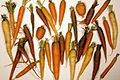 Carrot Diversity
 -
Colocasia esculenta
-
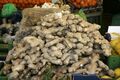 Ginger
 -
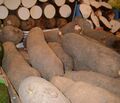 Yams at Brixton Market
 -
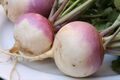 Turnip
 -
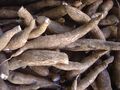 Manihot esculenta


Medical Disclaimer: WikiMD is for informational purposes only and is not a substitute for professional medical advice. Content may be inaccurate or outdated and should not be used for diagnosis or treatment. Always consult your healthcare provider for medical decisions. Verify information with trusted sources such as CDC.gov and NIH.gov. By using this site, you agree that WikiMD is not liable for any outcomes related to its content. See full disclaimer.
Credits:Most images are courtesy of Wikimedia commons, and templates, categories Wikipedia, licensed under CC BY SA or similar.
Translate page: - East Asian
中文,
日本,
한국어,
South Asian
हिन्दी,
தமிழ்,
తెలుగు,
Urdu,
ಕನ್ನಡ,
Southeast Asian
Indonesian,
Vietnamese,
Thai,
မြန်မာဘာသာ,
বাংলা
European
español,
Deutsch,
français,
Greek,
português do Brasil,
polski,
română,
русский,
Nederlands,
norsk,
svenska,
suomi,
Italian
Middle Eastern & African
عربى,
Turkish,
Persian,
Hebrew,
Afrikaans,
isiZulu,
Kiswahili,
Other
Bulgarian,
Hungarian,
Czech,
Swedish,
മലയാളം,
मराठी,
ਪੰਜਾਬੀ,
ગુજરાતી,
Portuguese,
Ukrainian


